
Manresa Memos is our in-house newsletter highlighting upcoming programs, events and other opportunities. It is published six times a year and available by mail or email. Subscribe to our mailing list here.
Read this issue
We’re grateful for our generous 100th Anniversary Celebration sponsors!
Manresa Memos is our in-house newsletter highlighting upcoming programs, events and other opportunities. It is published six times a year and available by mail or email. Subscribe to our mailing list here.
Read this issueBy Fr. Peter Fennessy, SJ
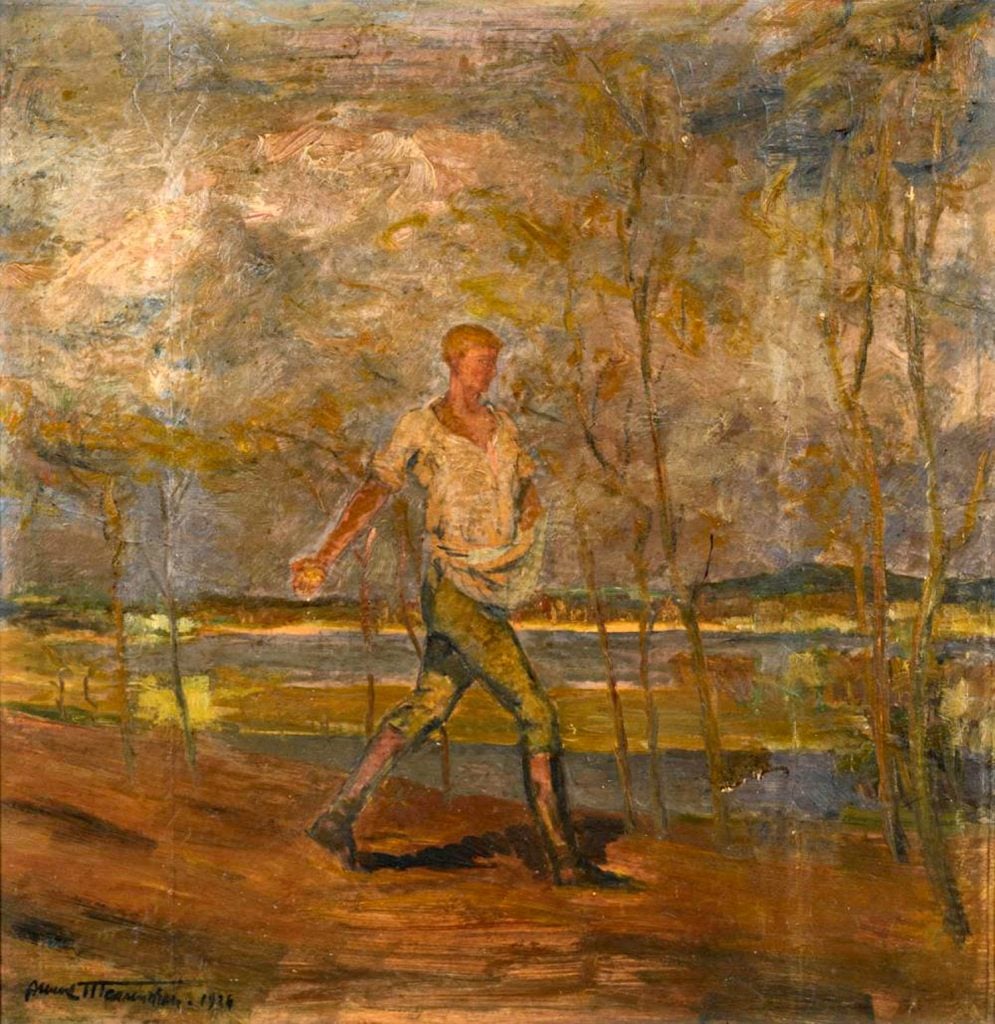
Albert Männchen, The Sower (1926), oil on wood pulp paper, 20.1 × 19.7 inches.
Today’s Gospel (Matthew 13: 1-23) tells the parable of the sower. He strides along sowing seed liberally across future harvest fields. The sower is Christ Who Himself, or through those He sends forth, sows the seed of the Word of God into each of our hearts. The parable is told as if the Word is offered to us only once in our lifetime and we are already and almost permanently one kind of soil that Jesus mentions, either good to various degrees, or vulnerable to dangers that will eventually kill the seed.
But Christ doesn’t pass only once over the patch of ground that is our life. He is always present to us until the end of the ages. Ignatius tells us in his Contemplation to Attain Divine Love that everything around us and within us is a gift of God’s love and a sign of His self-giving. God reveals Himself to us in each gift and toils in each to make us better soil for His seed. He constantly sends His word into our lives, our minds and our hearts, and on every such occasion, by His grace, we can become more receptive and more responsive to His Word.
By Fr. Peter Fennessy, SJ
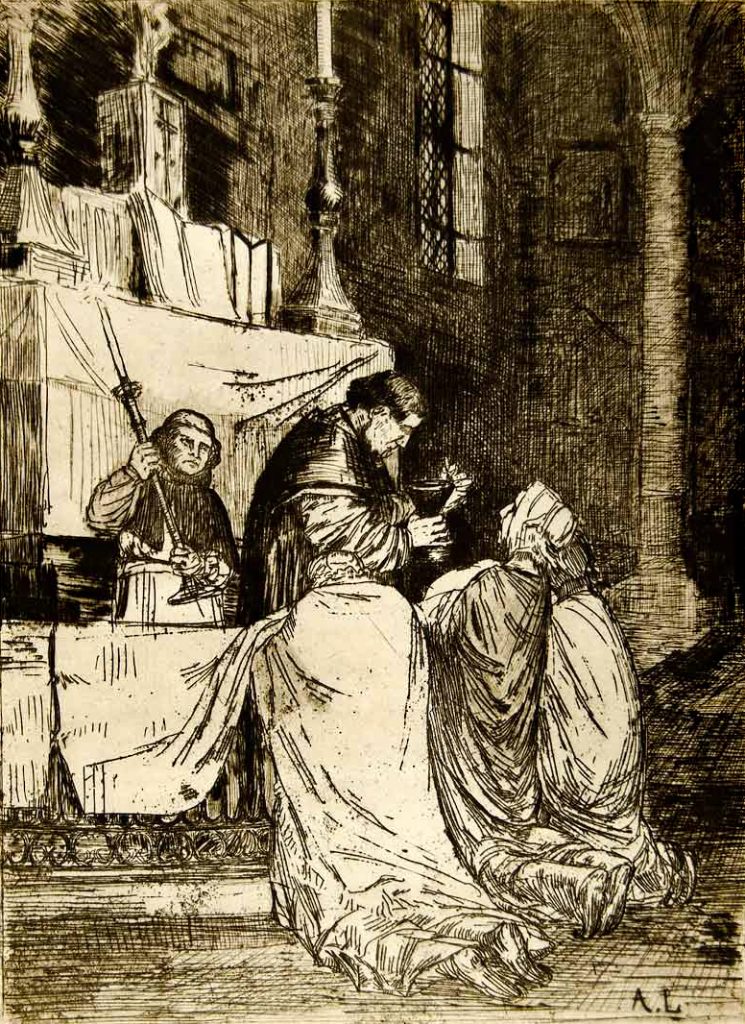
In 1861 Alphonse Legros produced an etching of Communion being distributed at Saint Médard Church in Paris. It showed a priest lifting the Host before one of only three women communicants. She holds a cloth draped from the altar rail under her chin in case the Host were dropped. An acolyte carries a candle nearby. In 1861 Catholics didn’t receive Communion frequently, often only once a year. But Legros lived to see Pope Pius X issue in 1905 a decree recommending frequent and even daily communion. So, by 1926 when the engraving was reproduced by photogravure the image had acquired a different meaning: what once was rare had now become common.
The institution of the Eucharist is celebrated on Holy Thursday, but so are the Washing of Feet, the Priesthood, the Chrism Mass and the Agony in the Garden. In 1246 individual dioceses began to celebrate Corpus Christi to give the Real Presence of Christ in the Eucharist Its own feast. At the recommendation of Thomas Aquinas Pope Urban IV extended the celebration to the entire Catholic Church. It is now celebrated on the Sunday after Trinity Sunday as the Solemnity of The Most Holy Body and Blood of Christ.
Manresa Memos is our in-house newsletter highlighting upcoming programs, events and other opportunities. It is published six times a year and available by mail or email. Subscribe to our mailing list here.
Read this issueBy Fr. Peter Fennessy, SJ
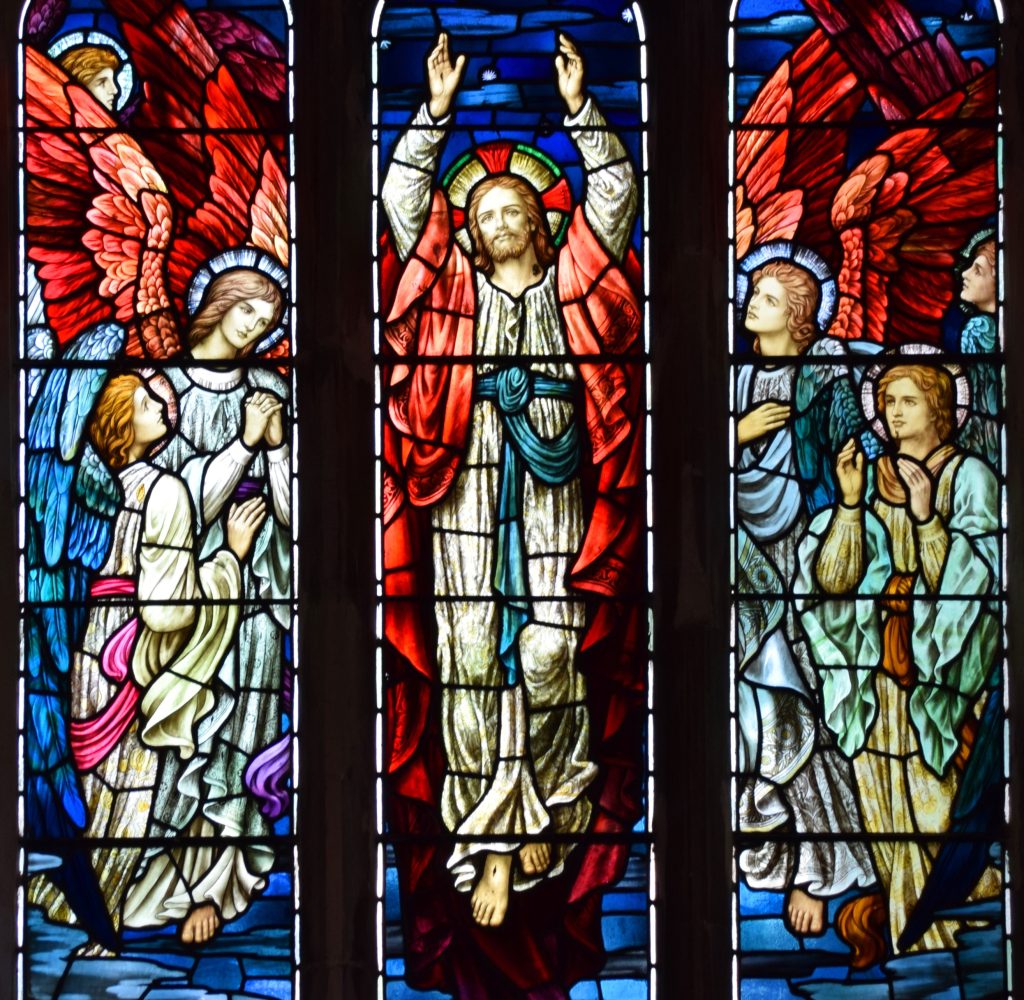
William Glasby, detail of The Ascension of Christ (1926), stained glass, the Church of St. George, Wyverstone, Suffolk, England.
(Photo courtesy of Simon Knott)
Today we celebrate two truths: that Jesus was exalted to the right hand of the Father and that Jesus remains with us forever.
When Scripture says that Christ was “exalted,” it is not referring to spatial movement but to greater honor, glory and power. At the end of Matthew’s Gospel, Christ said, “I am with you always to the end of the age.” Then He presumably vanished as He did after His other appearances.
Luke’s Gospel and his Acts of the Apostles tell the stories respectively of Christ and of His disciples and the early Church. Luke modeled these books on the Old Testament stories of Elijah and his disciple Elisha. Elijah promised Elisha that he would receive his spirit if he witnessed him being taken up into heaven (2 Kings 2:10). So, Luke portrayed the disciples seeing Jesus moving upward toward heaven as a sign that they would receive His Holy Spirit and inherit His mission. Then Luke added, “until a cloud took Him from their sight.” Since the cloud in Scripture is a sign of God’s presence, Luke is saying that Jesus’ ascension is not His going away from us but, as Matthew indicated, His abiding presence with us.
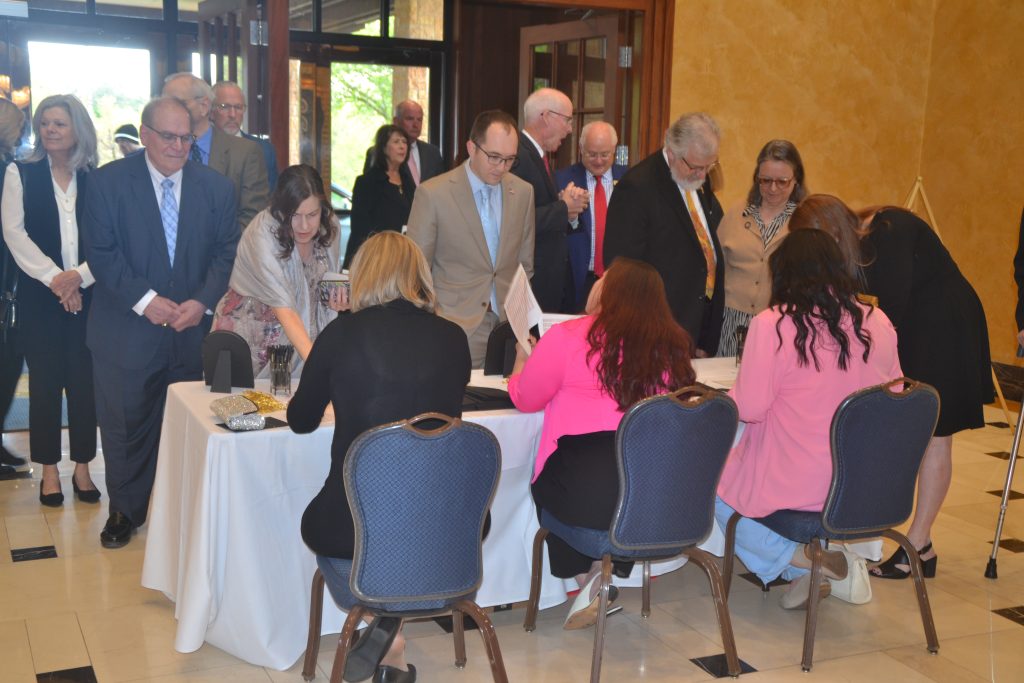
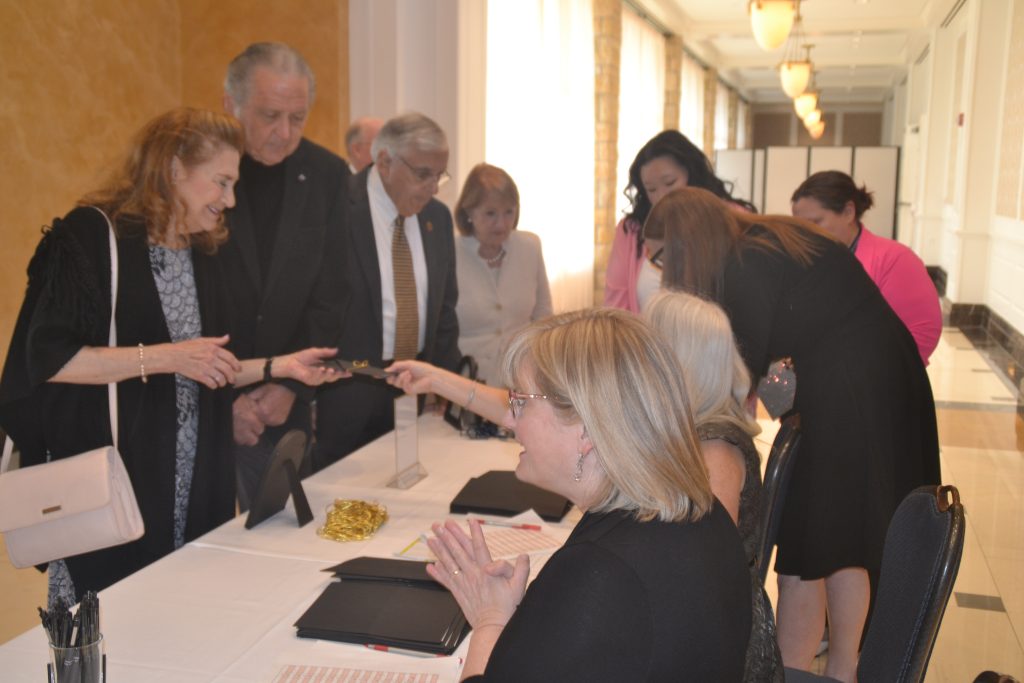
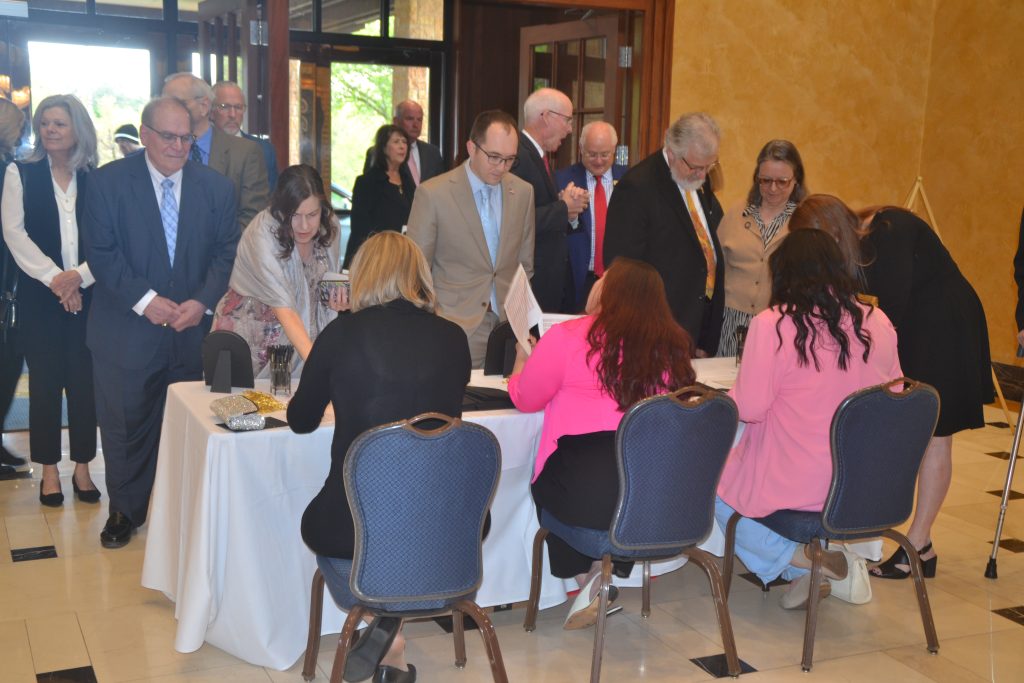
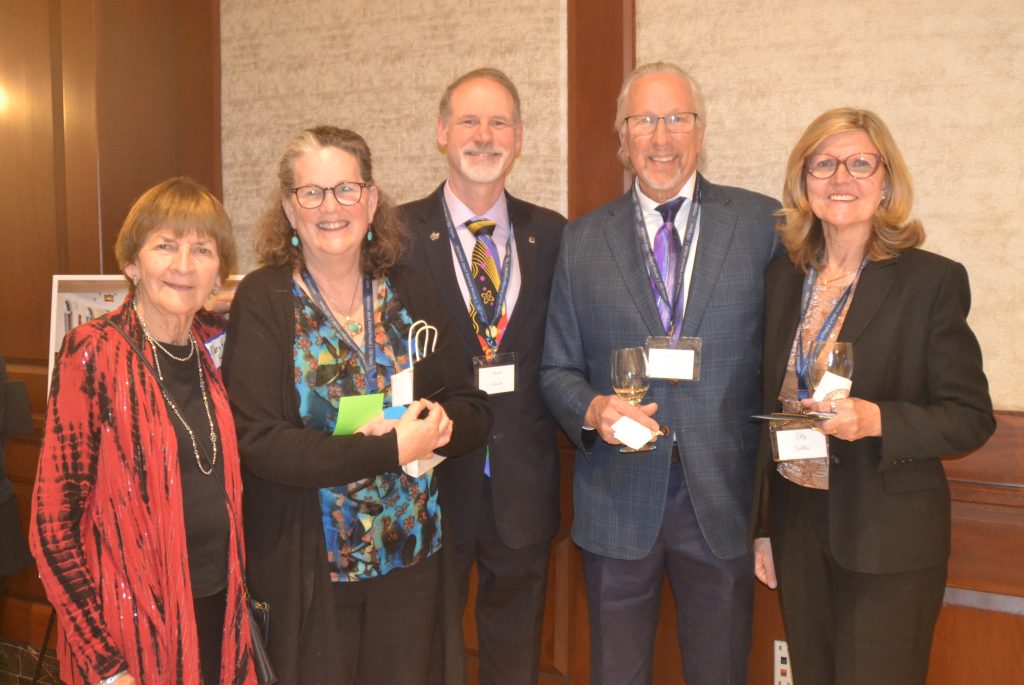
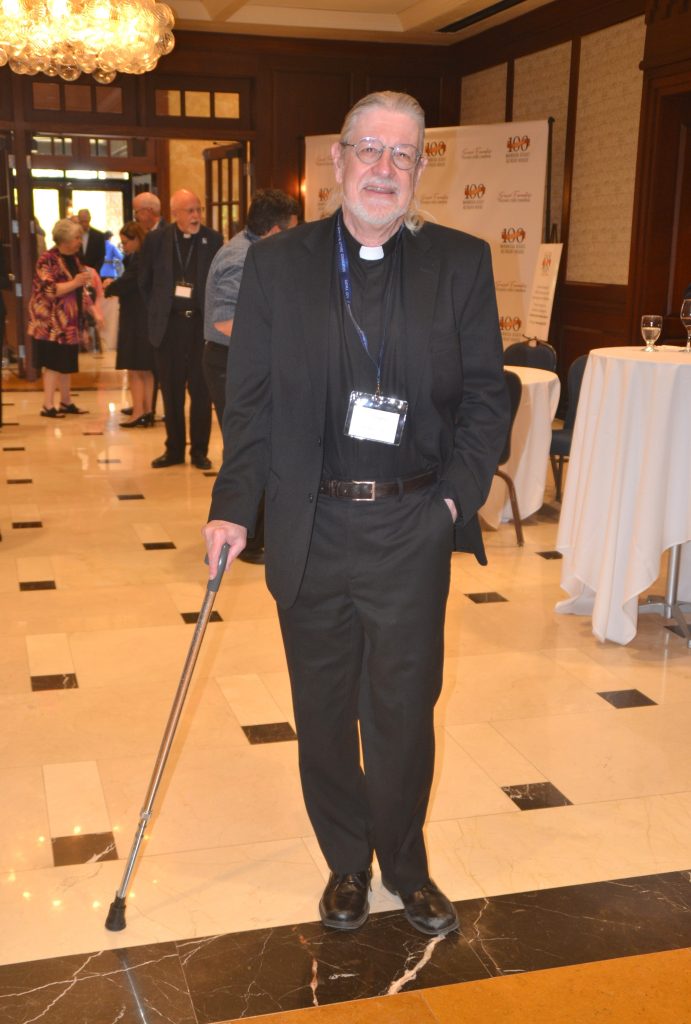
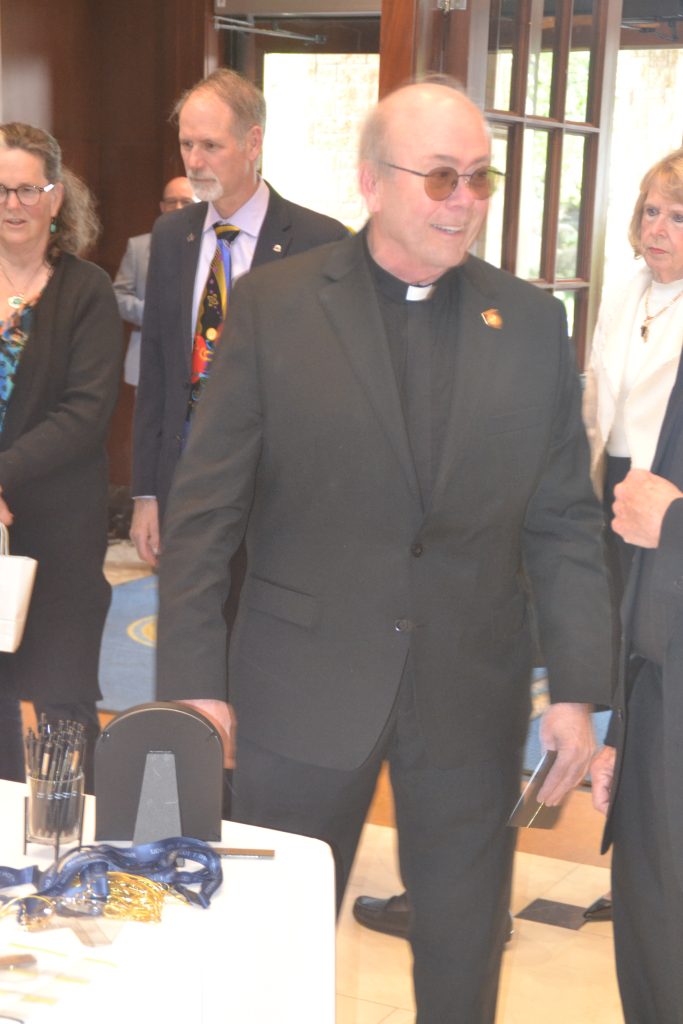
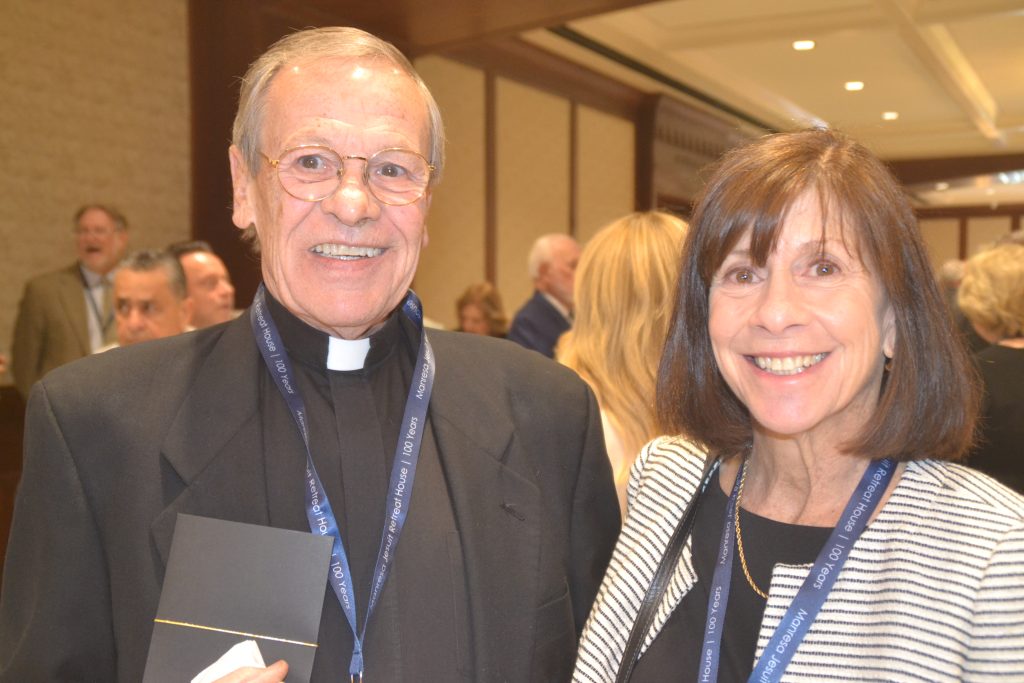
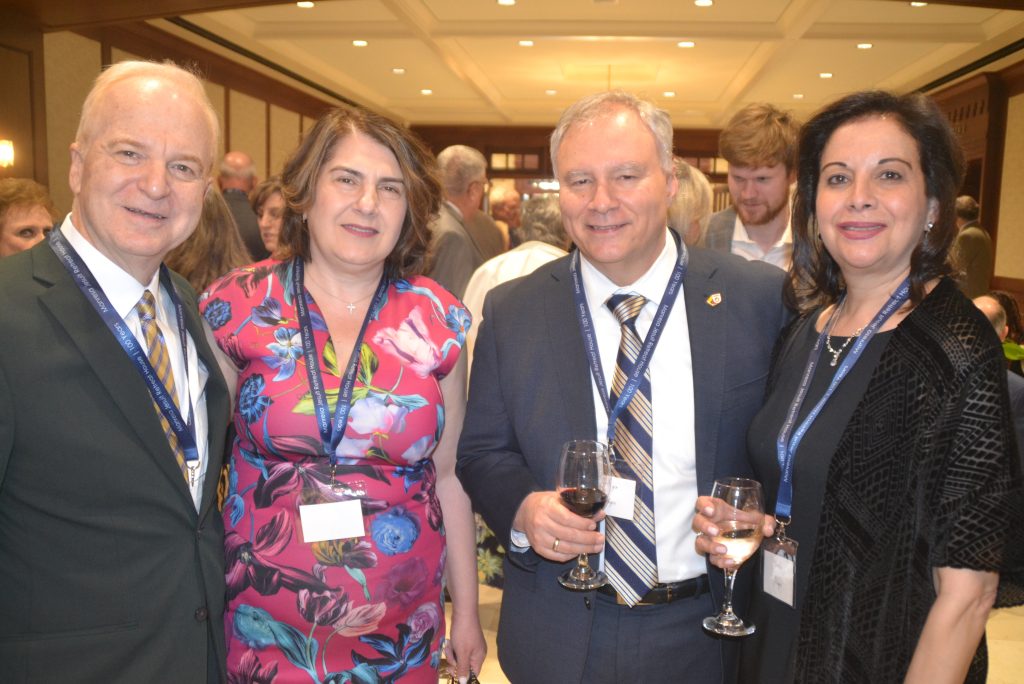
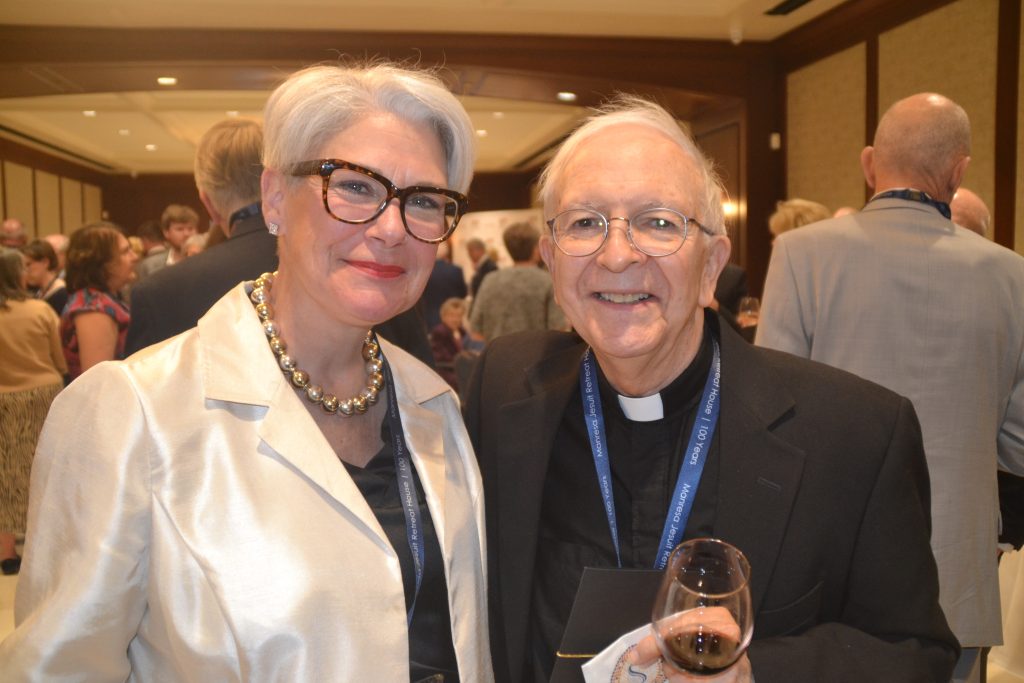
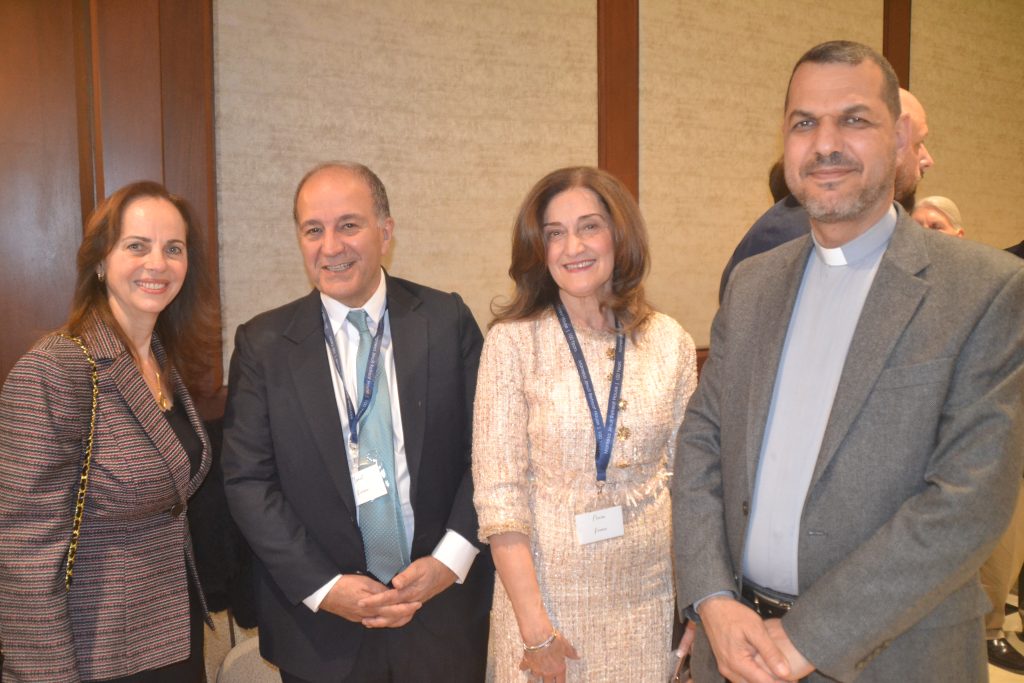
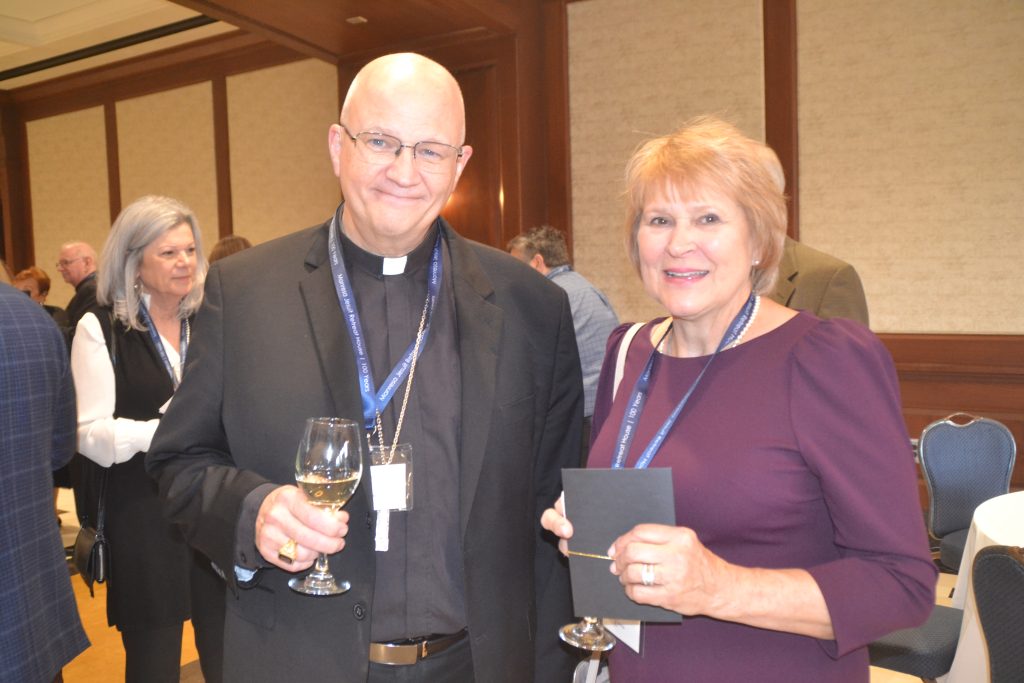
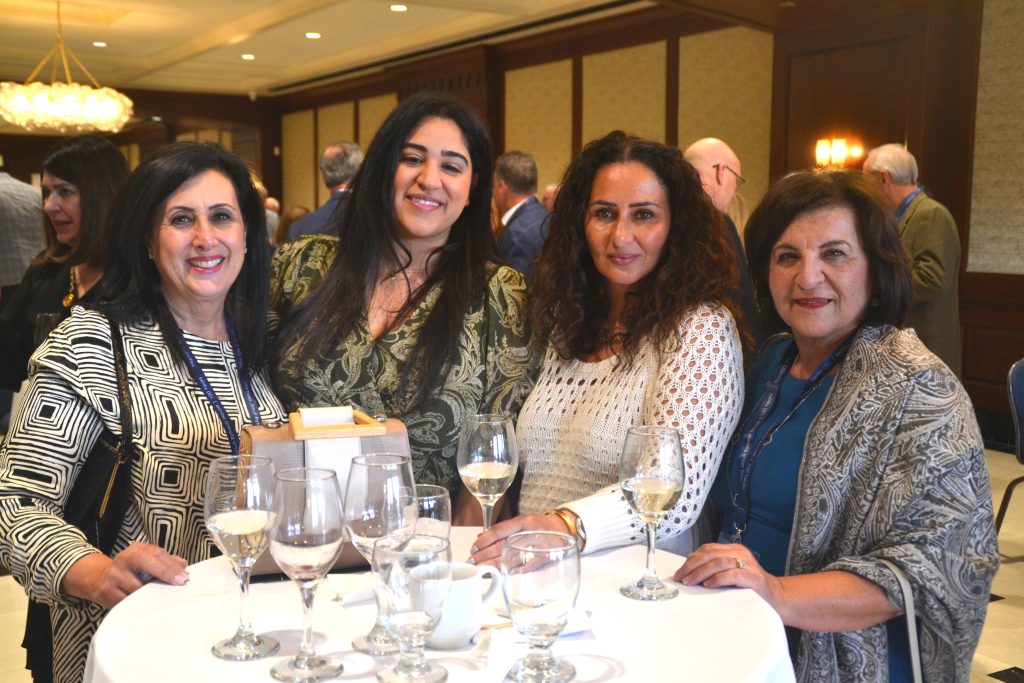
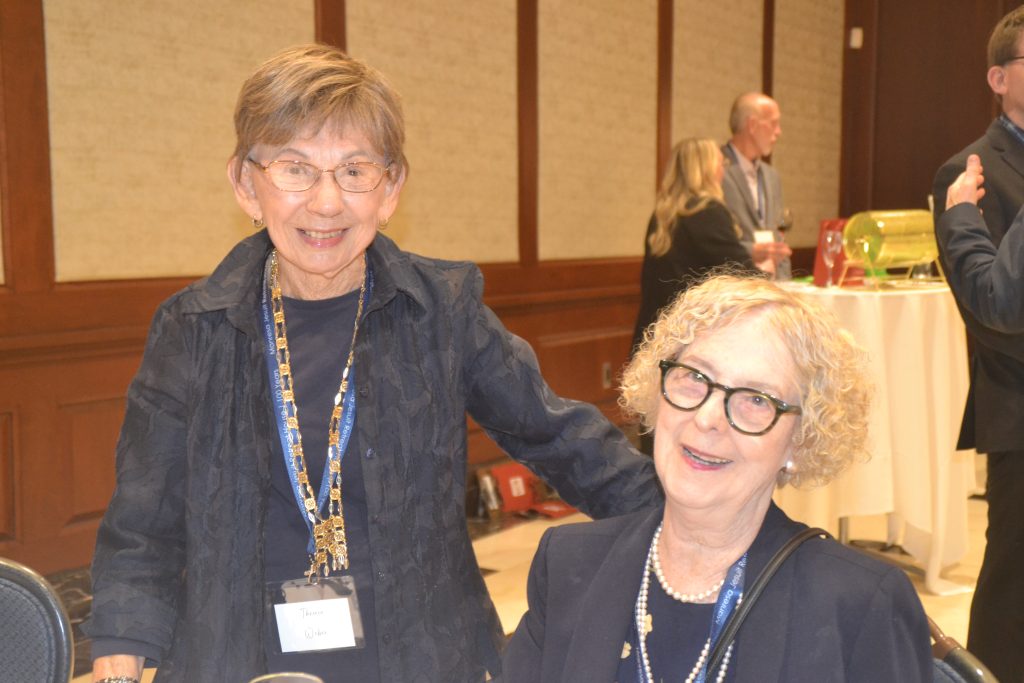
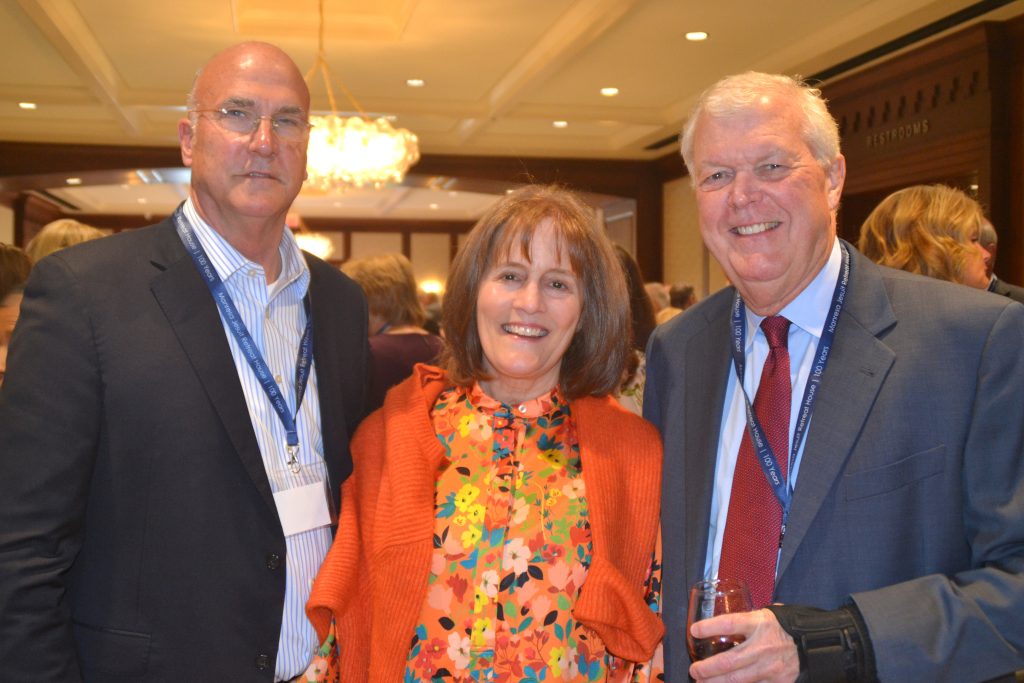
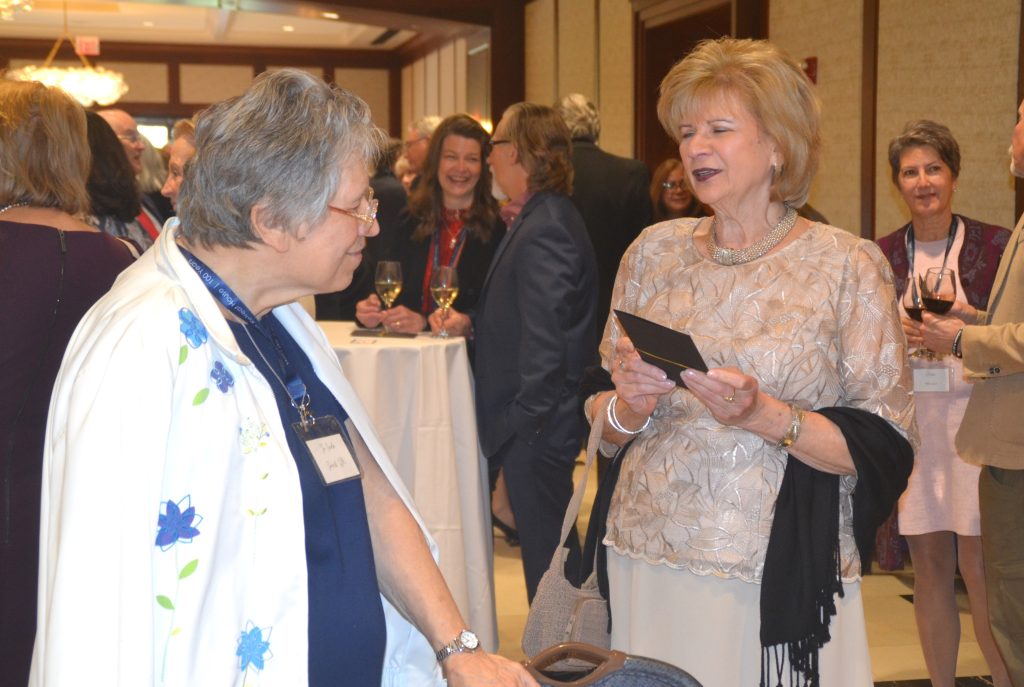
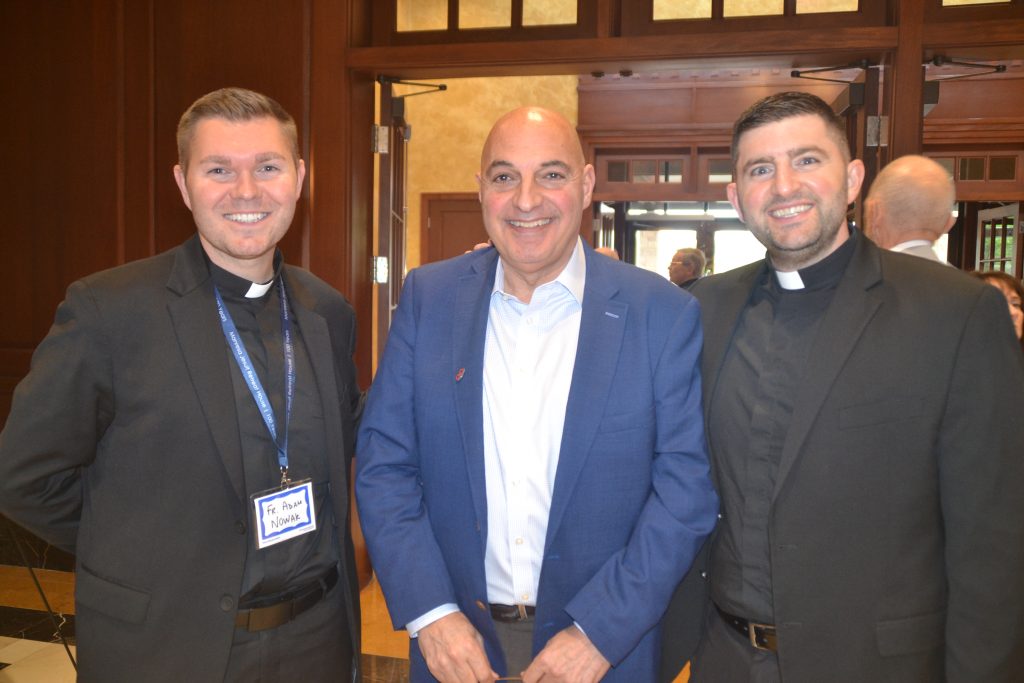
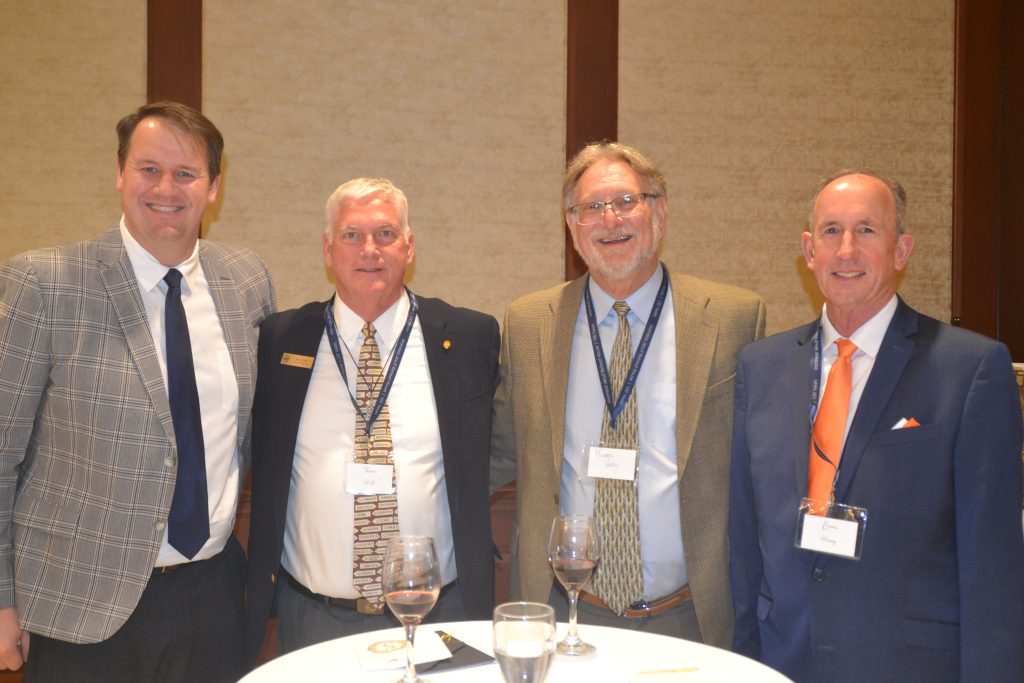
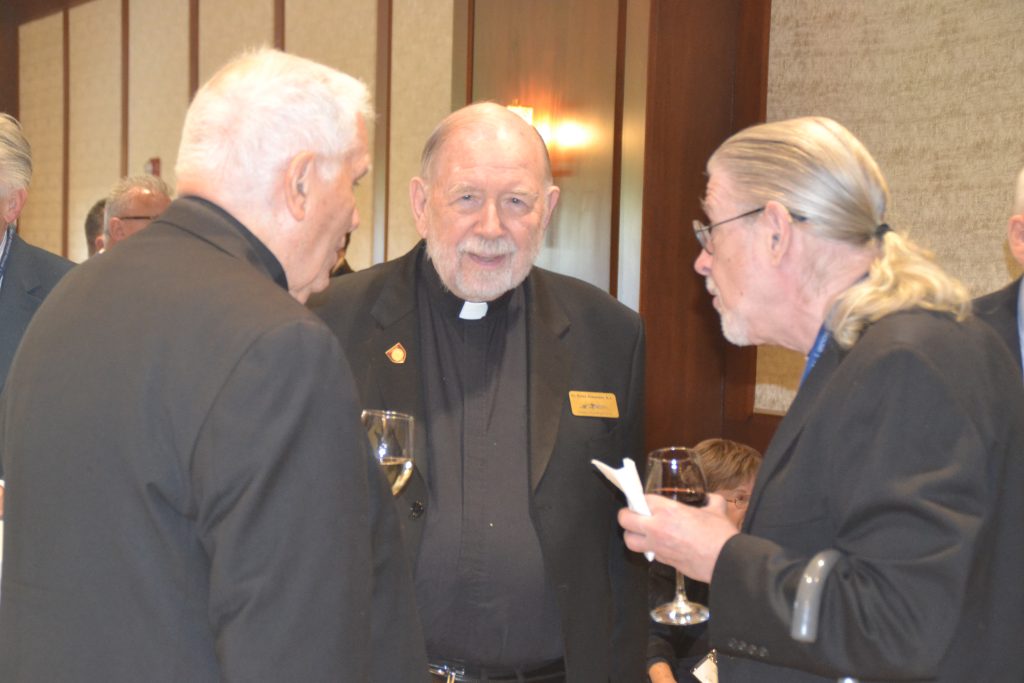
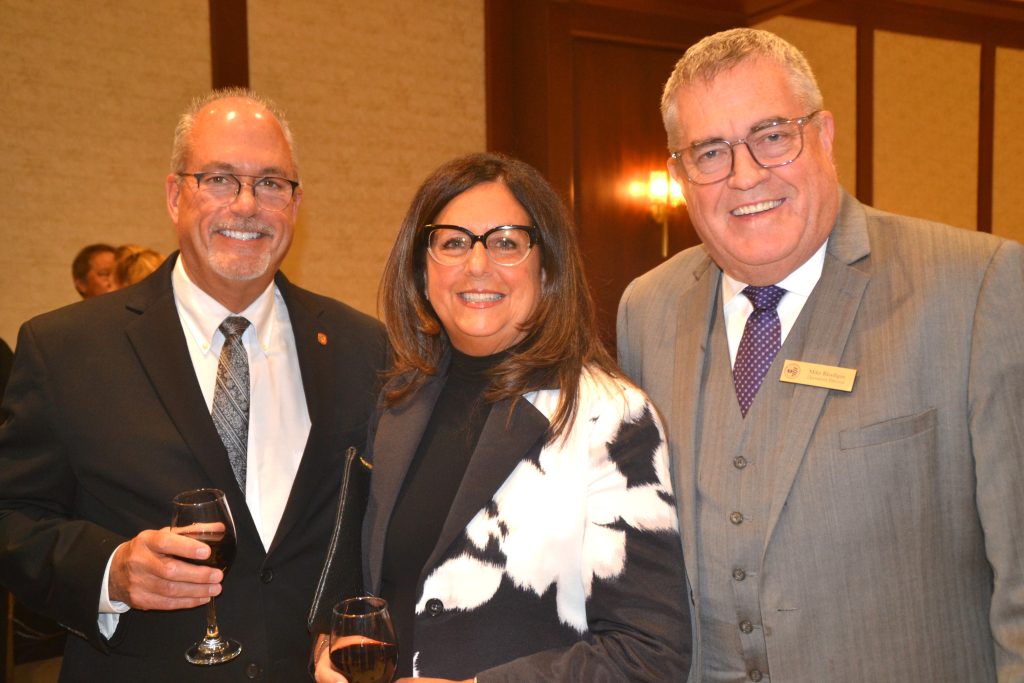
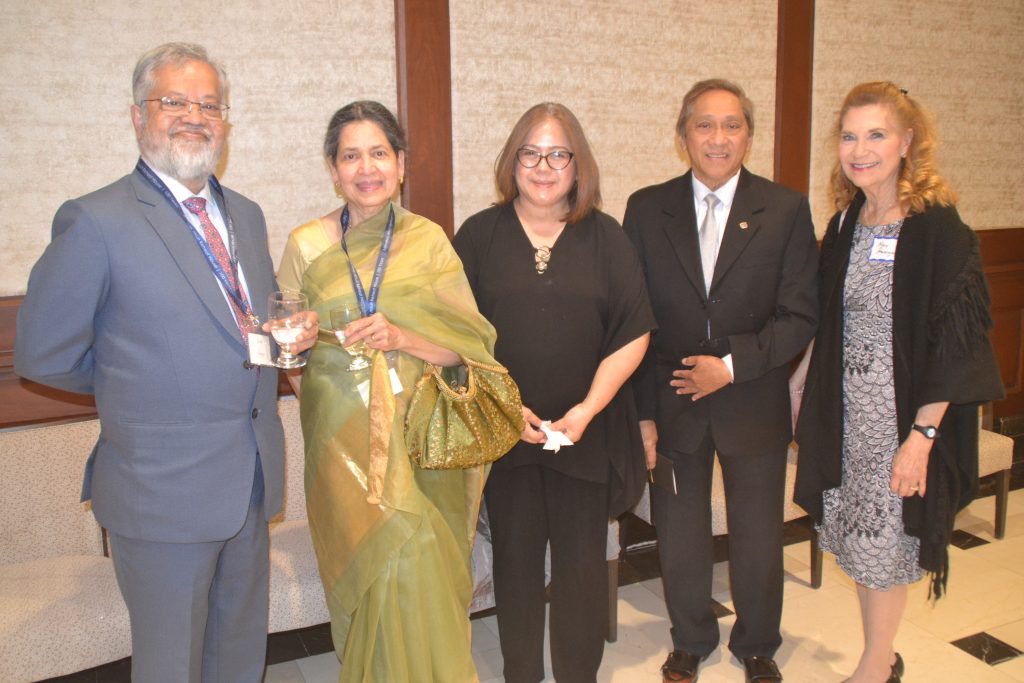
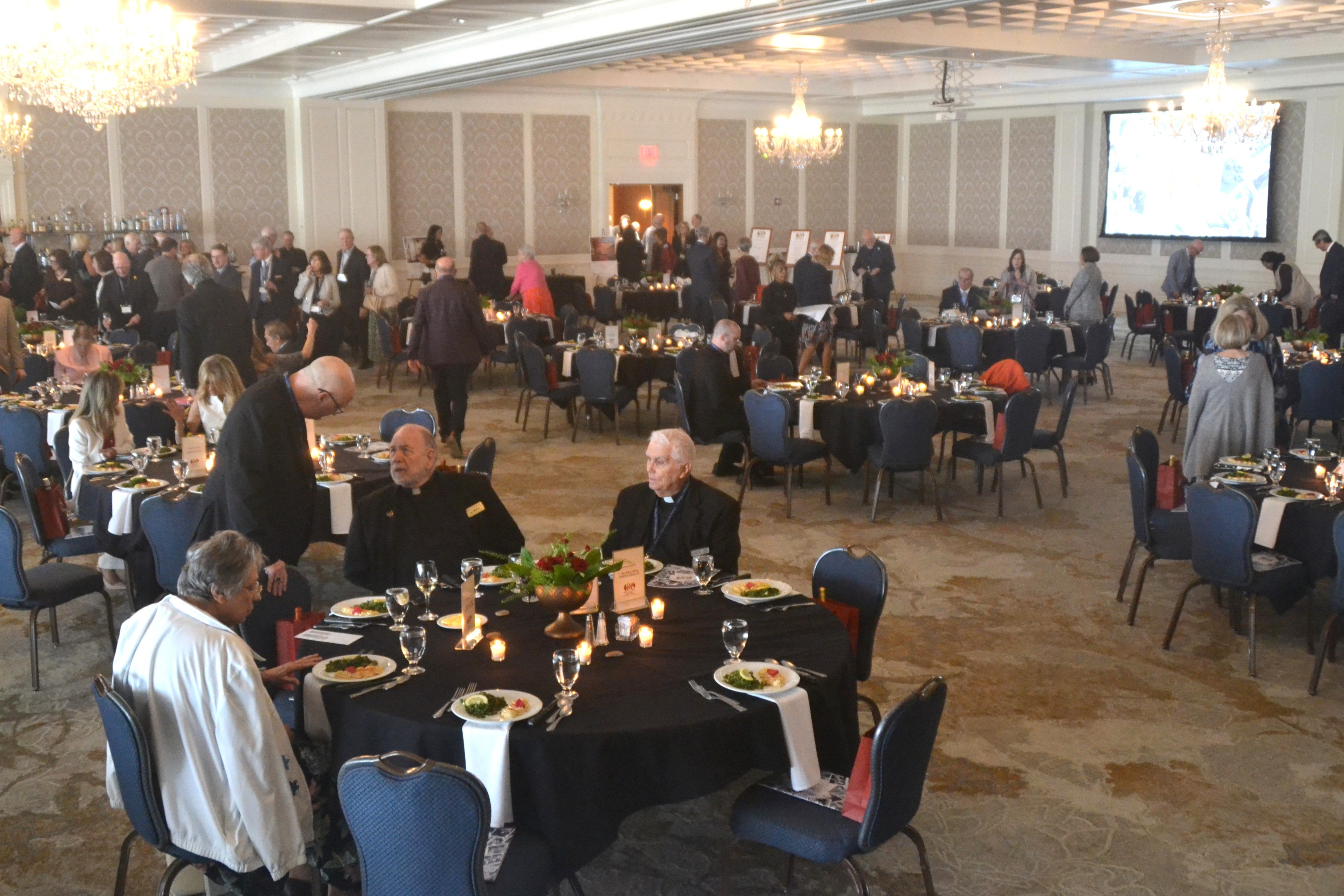
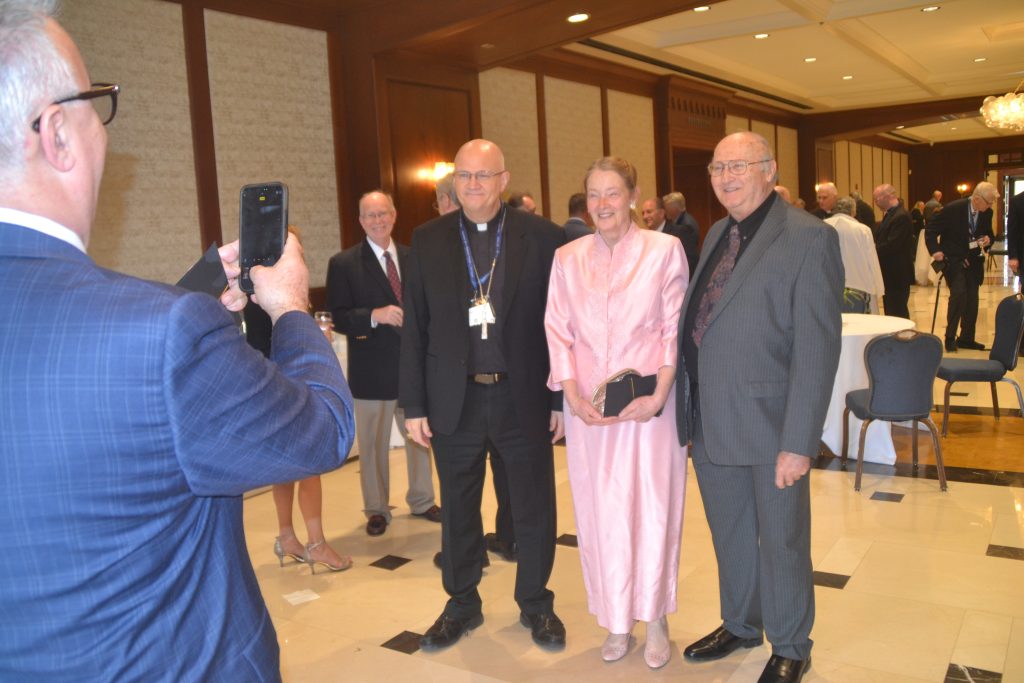
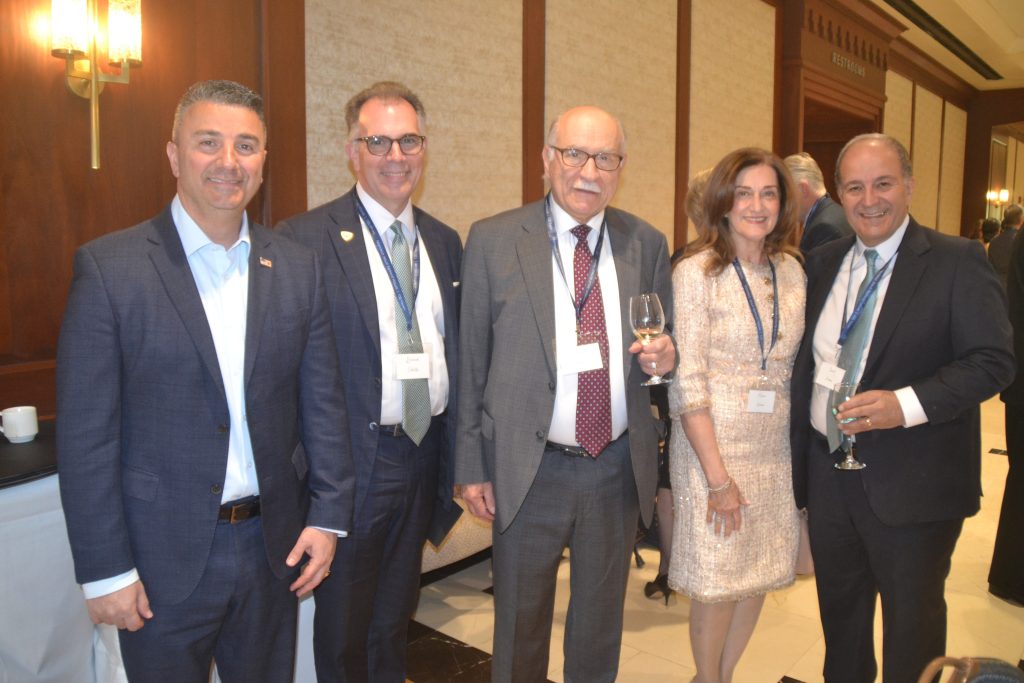
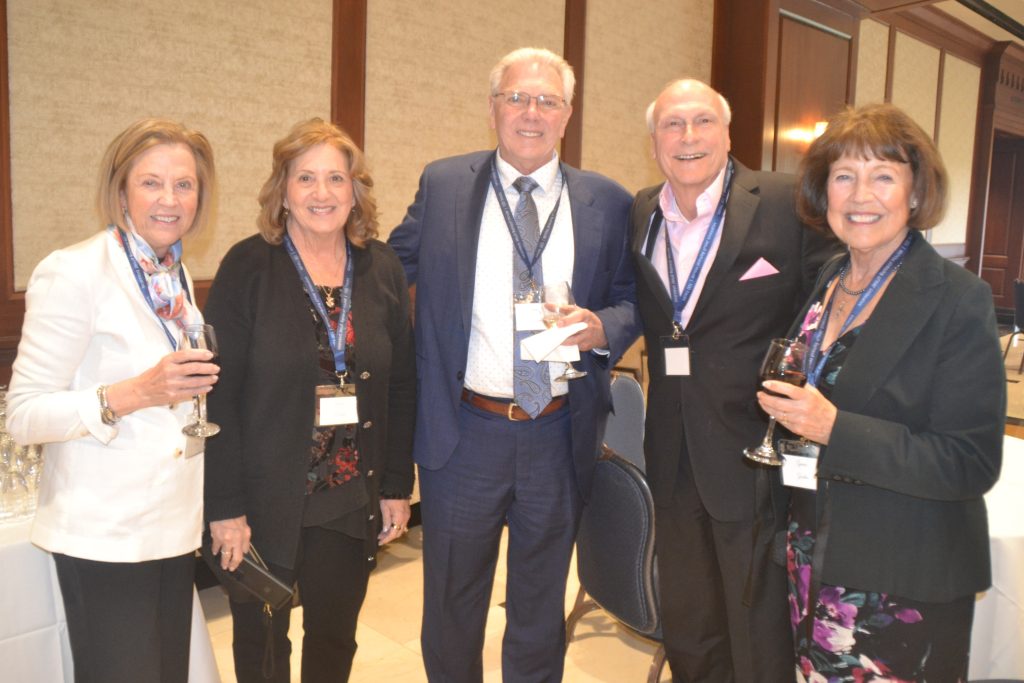
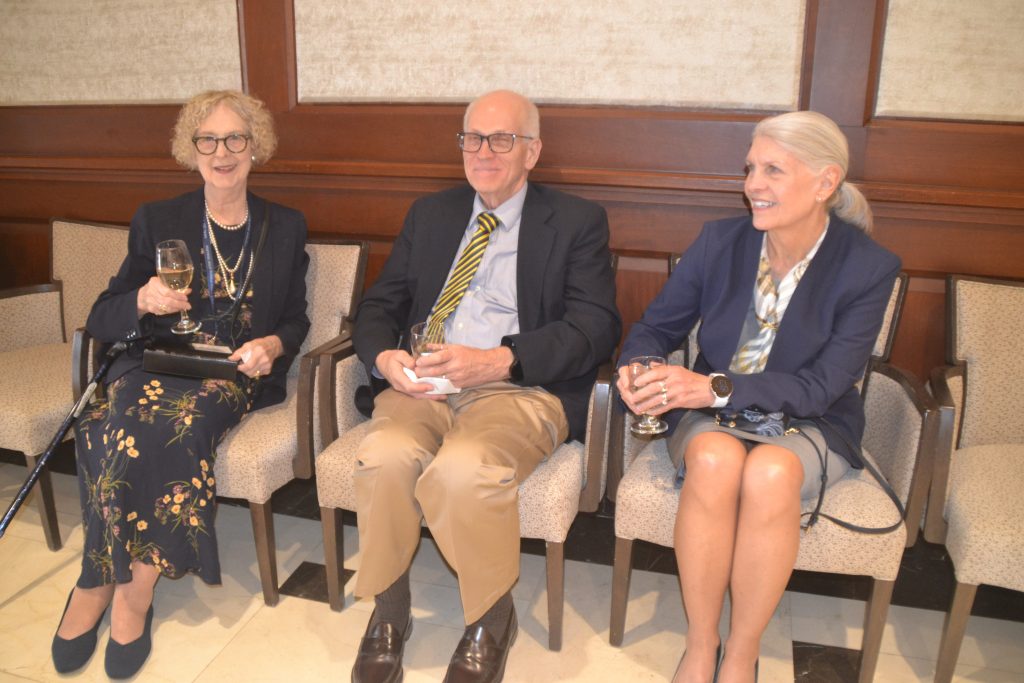
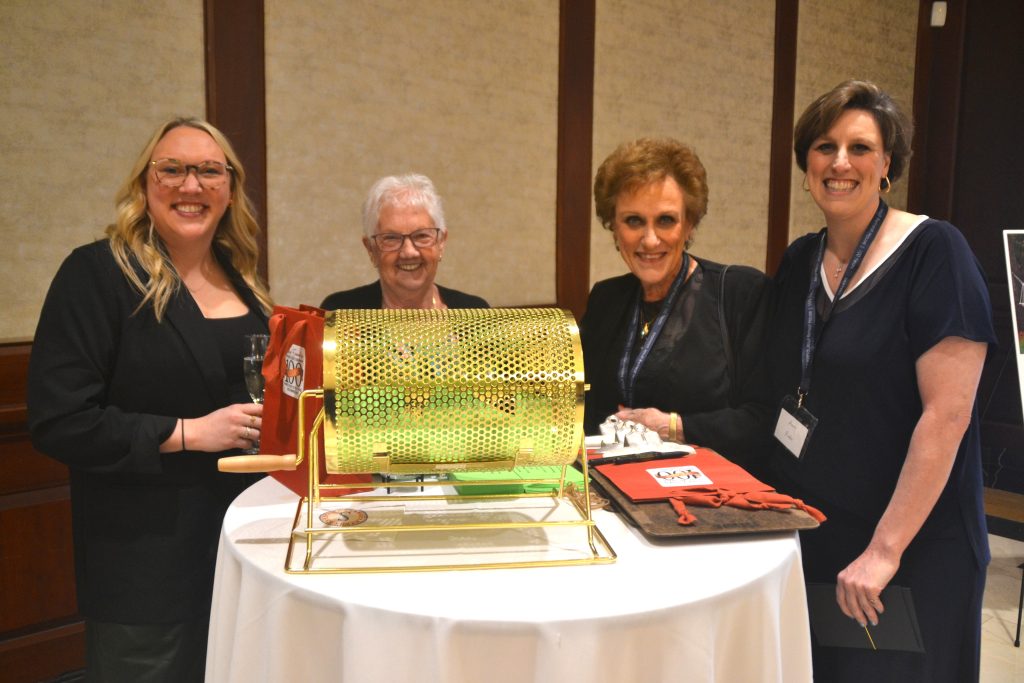
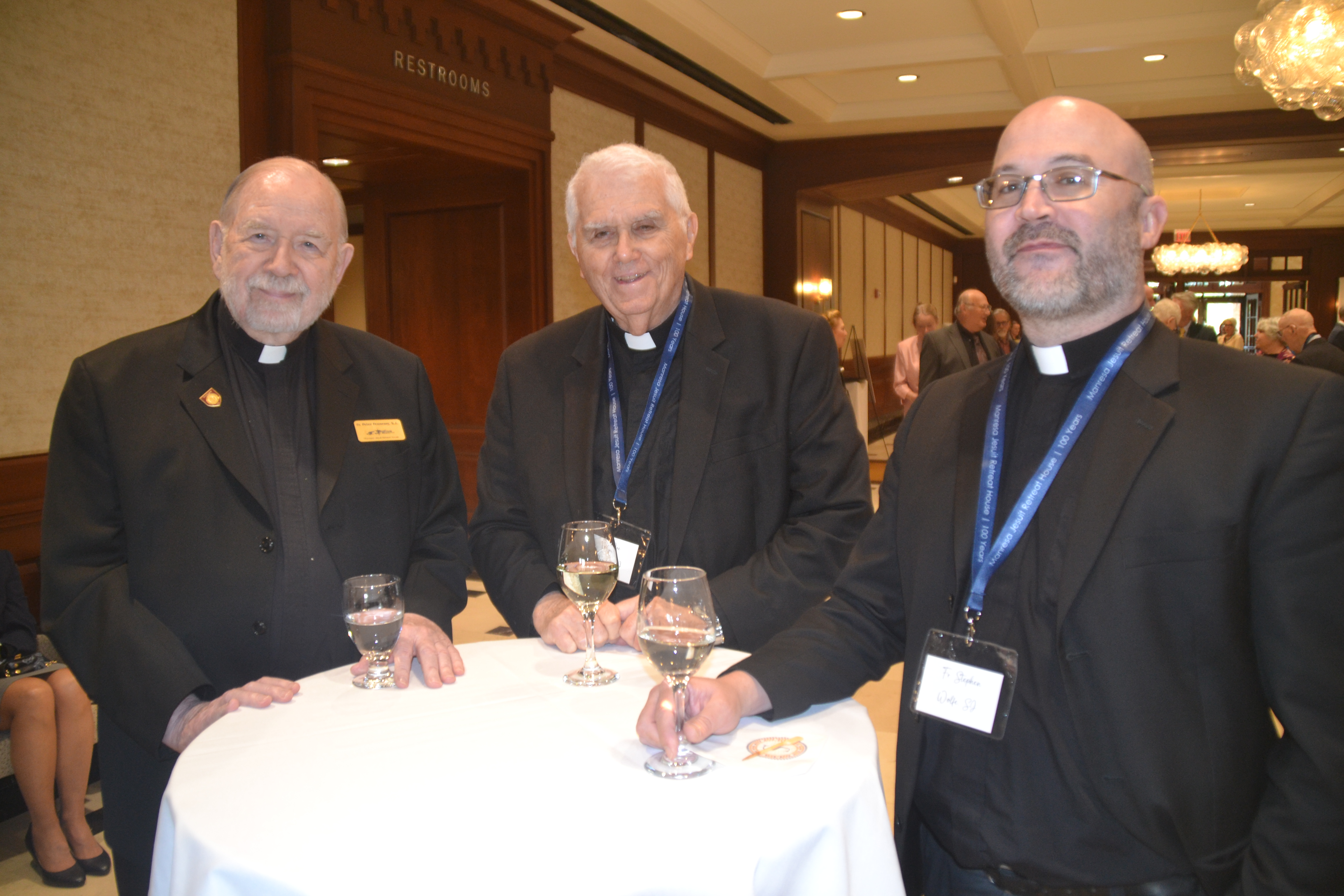
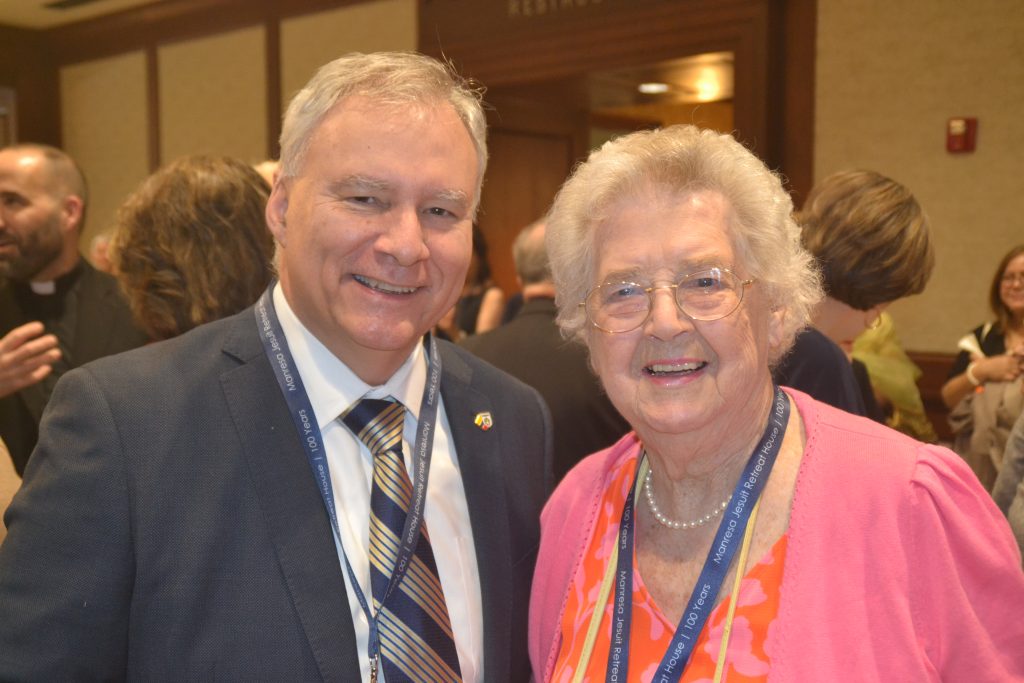
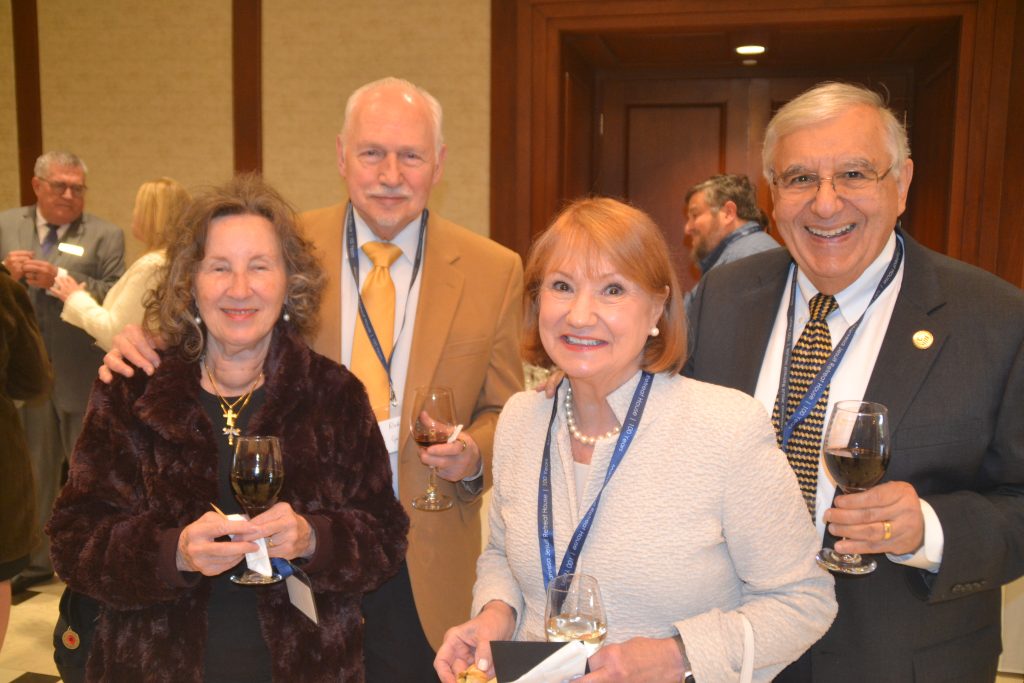
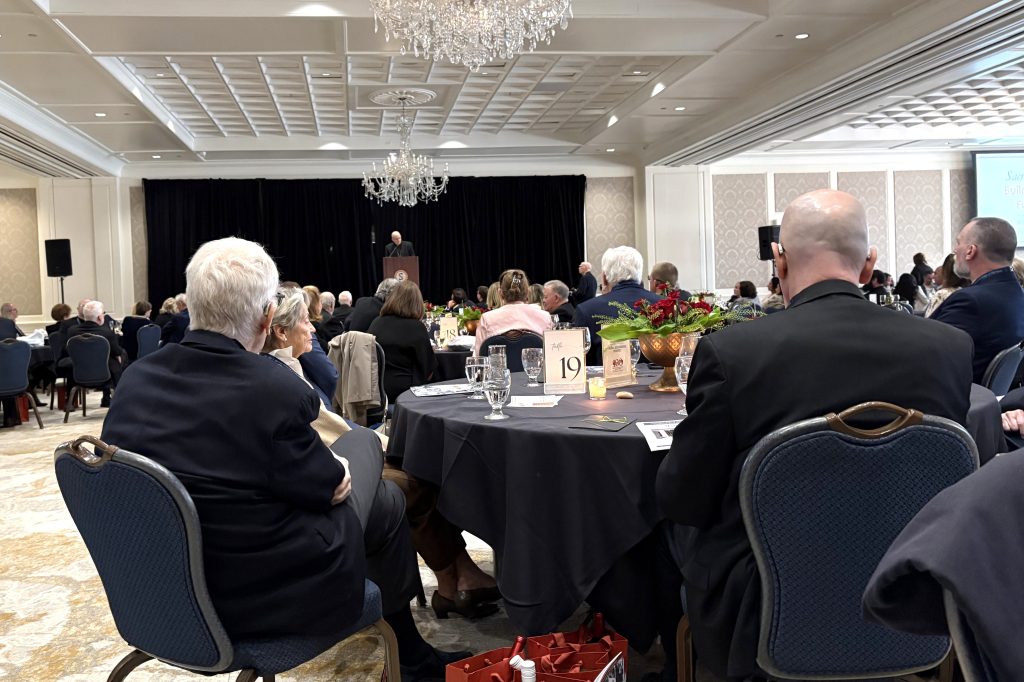
We are so grateful to all those who helped to make Manresa’s 100th Anniversary Celebration Banquet on Thursday, May 7, 2026, at Shenandoah Country Club a wonderful evening.
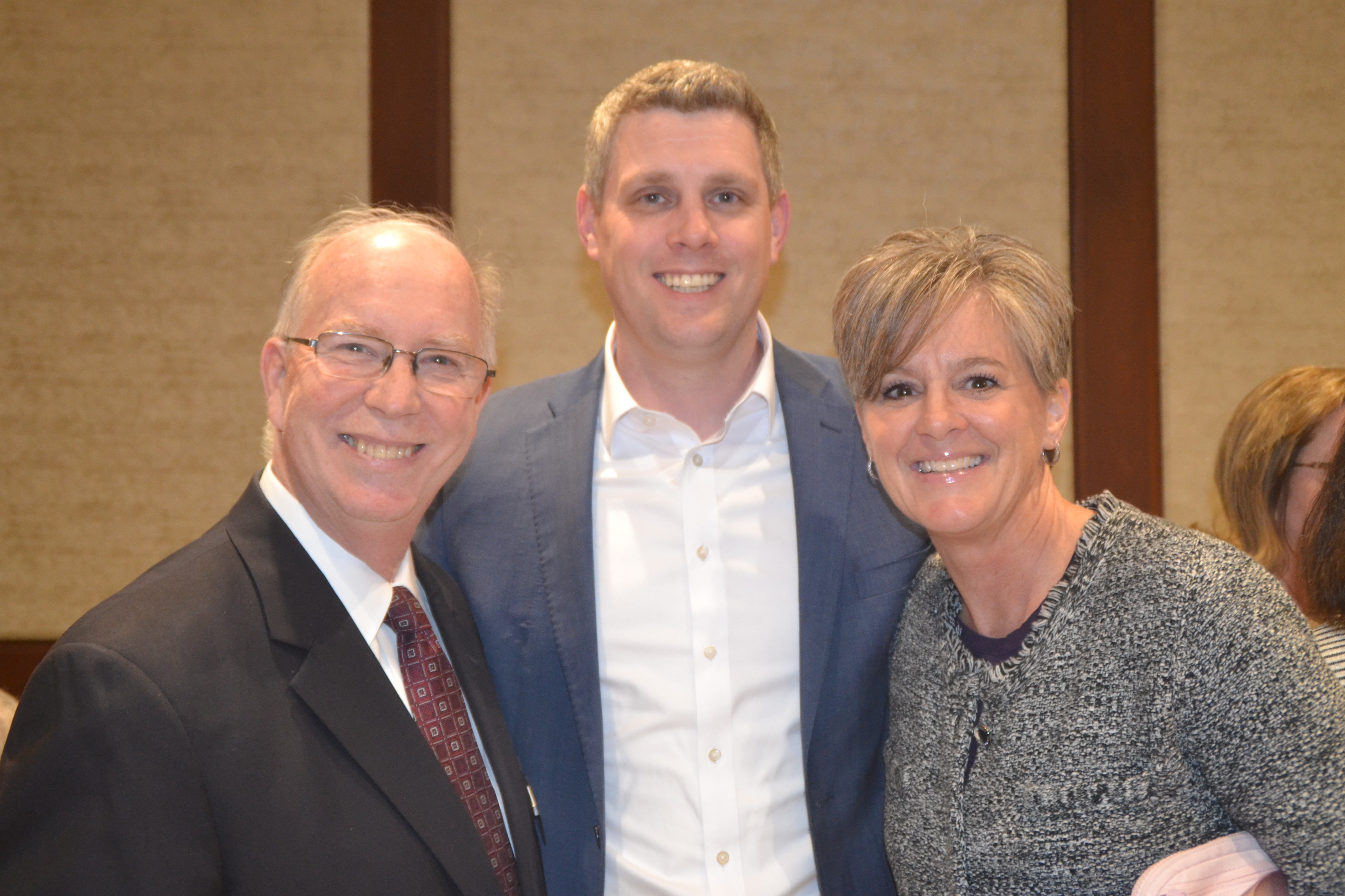
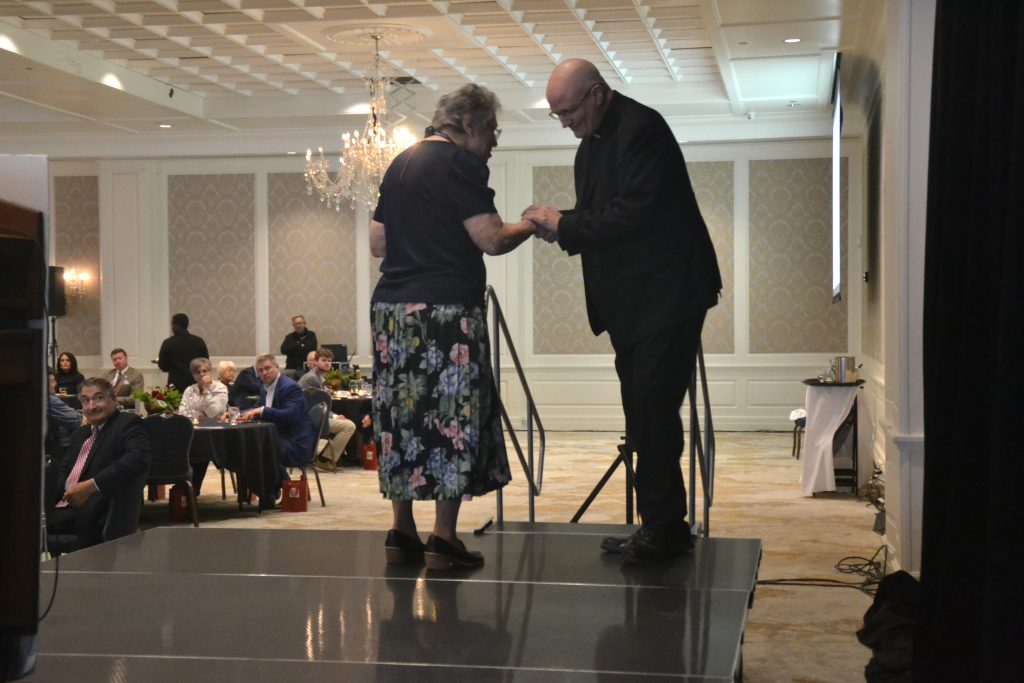
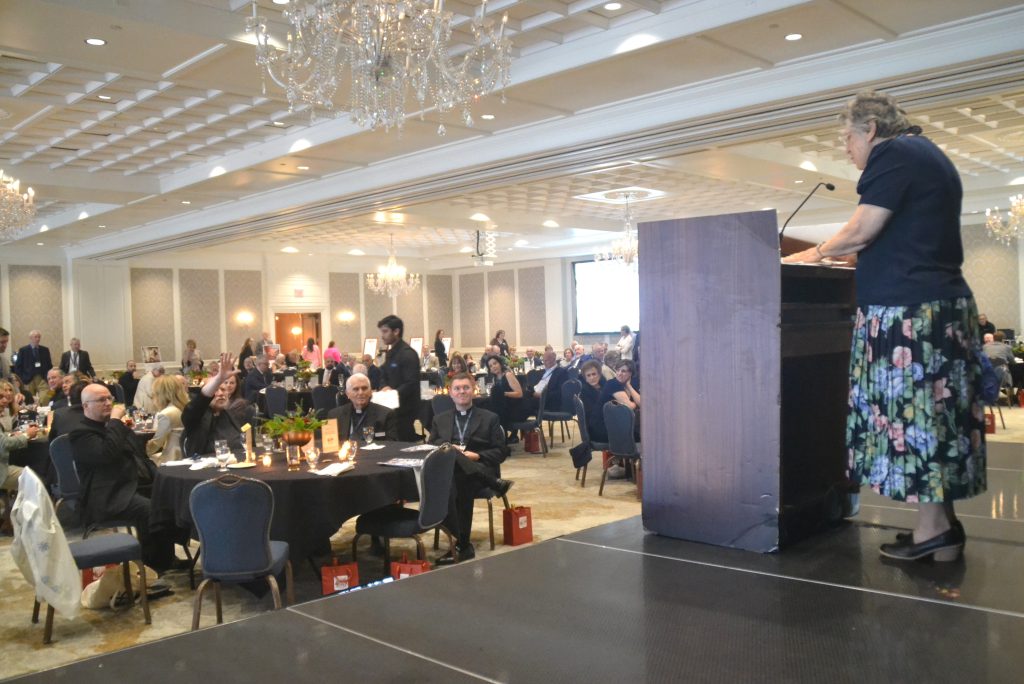
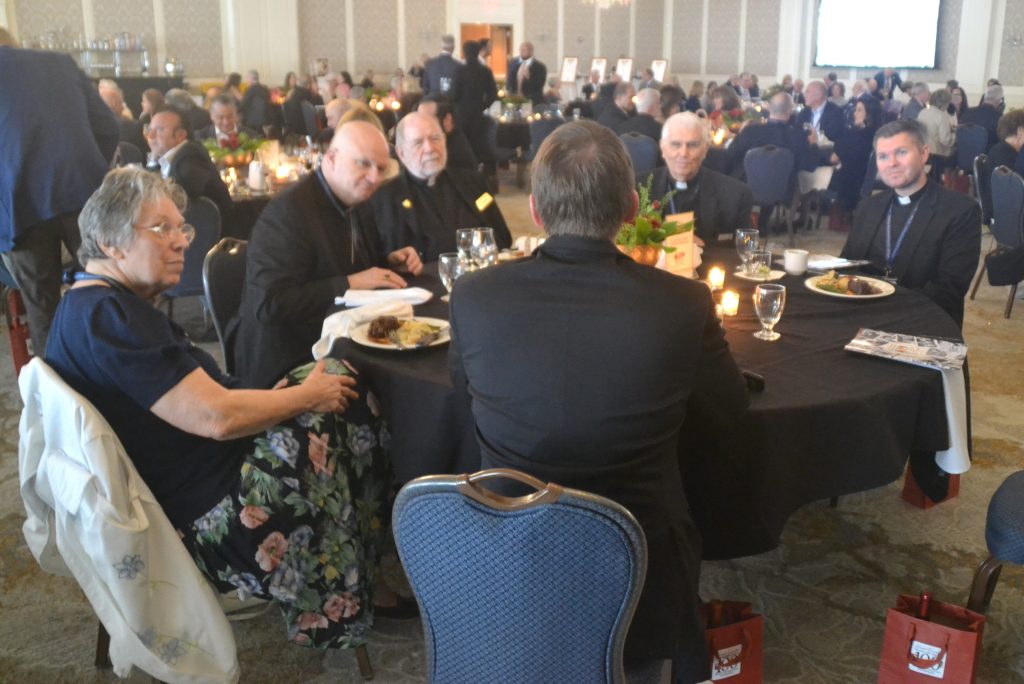
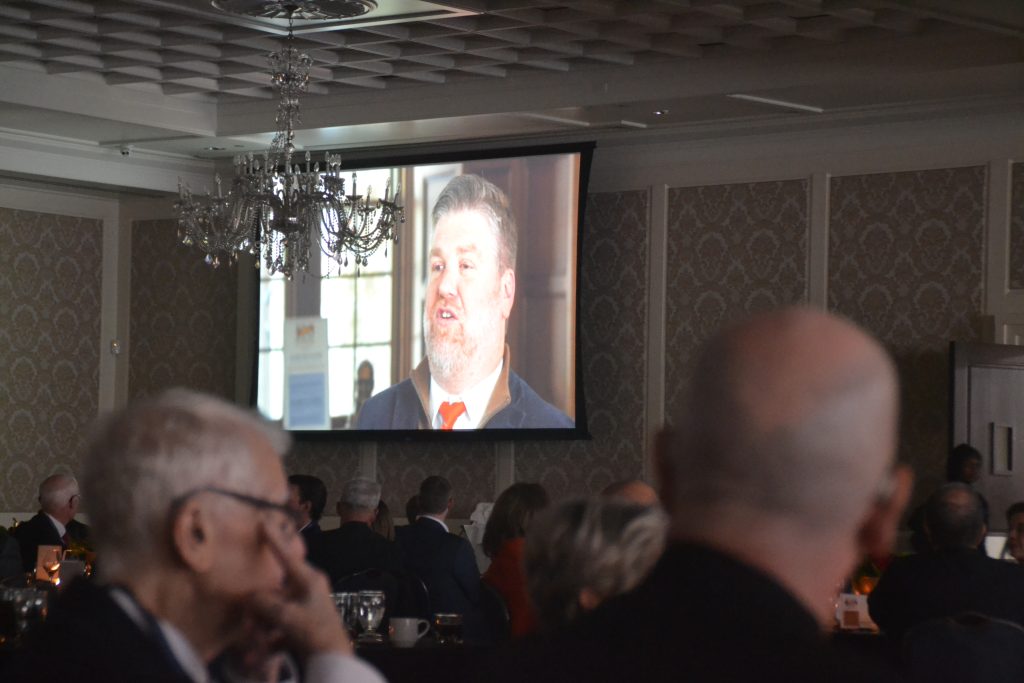
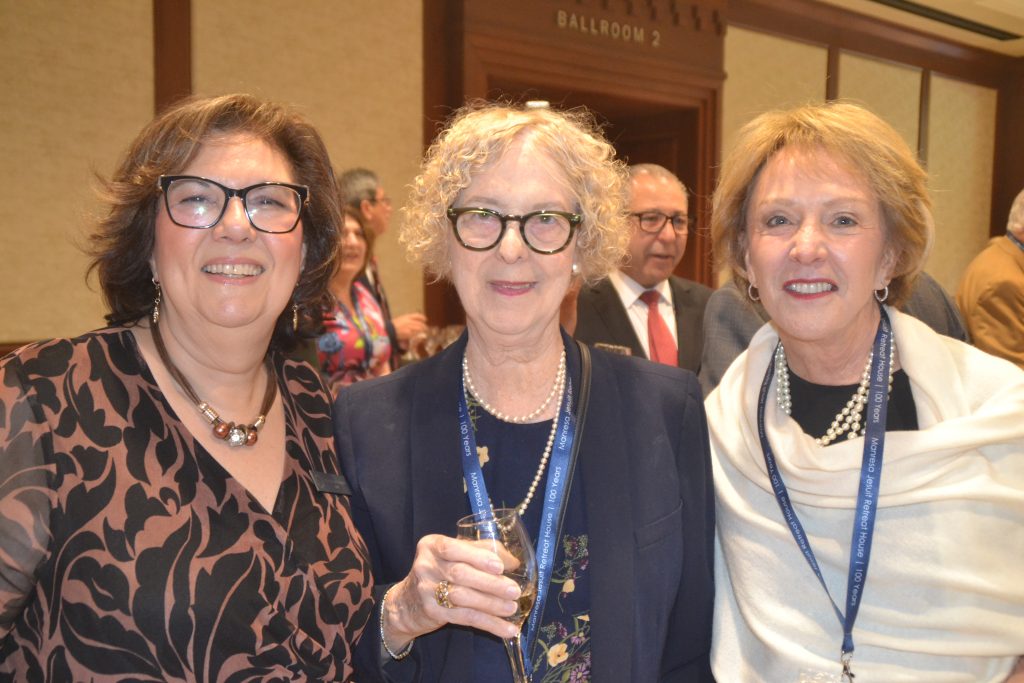
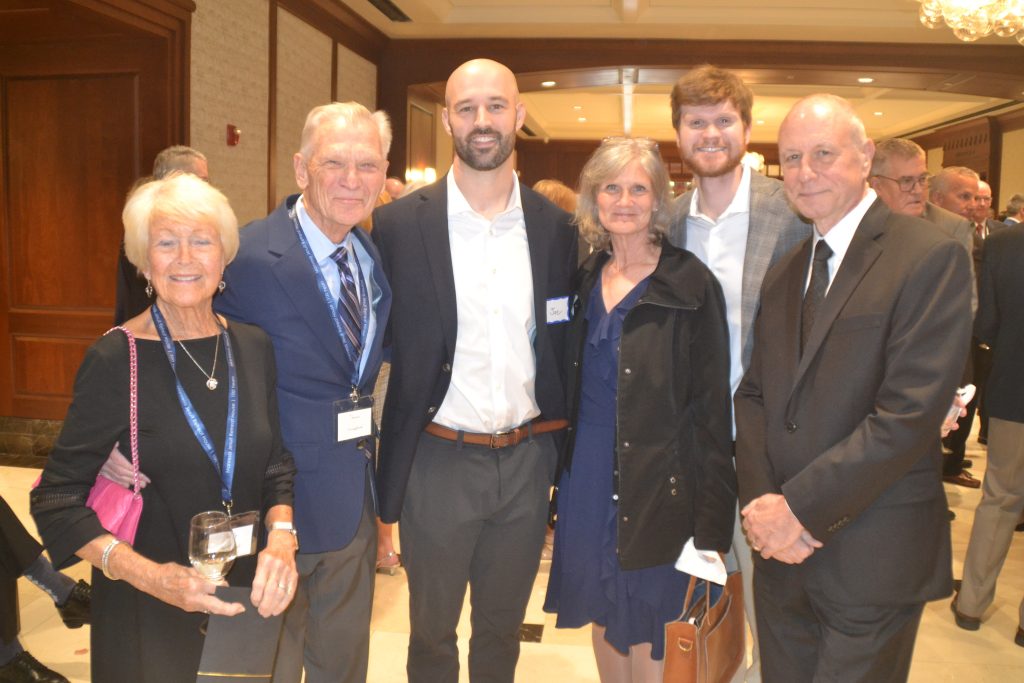
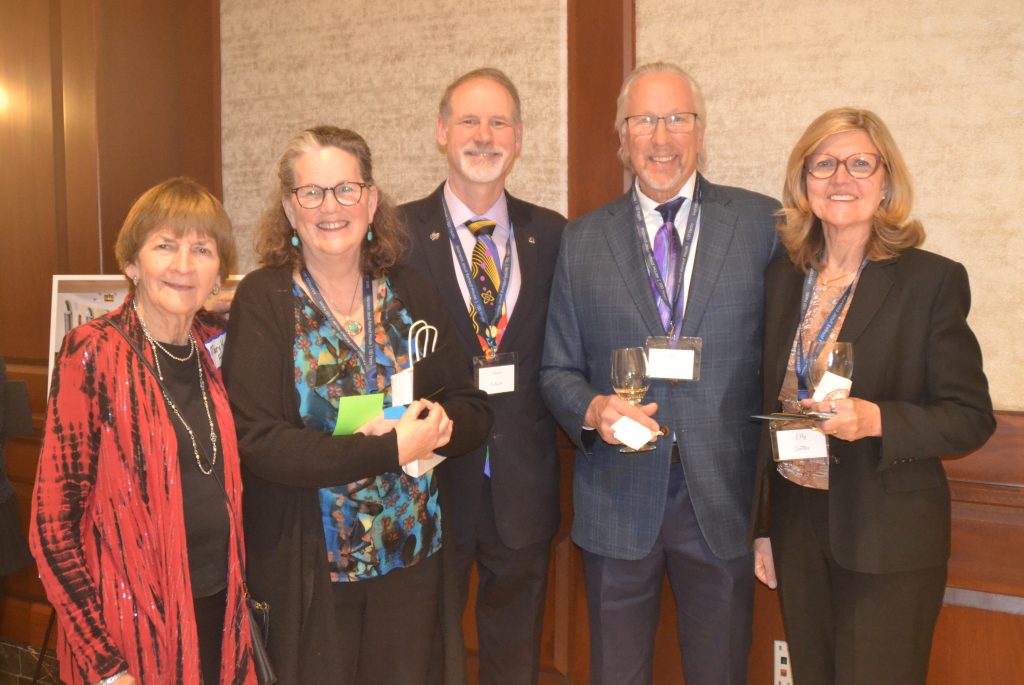
From the lively social hour in the foyer with tasty hors d’oeuvres to the elegantly appointed banquet hall with a delicious dinner and inspiring speakers, it was a night to remember. More than 270 guests were in attendance.
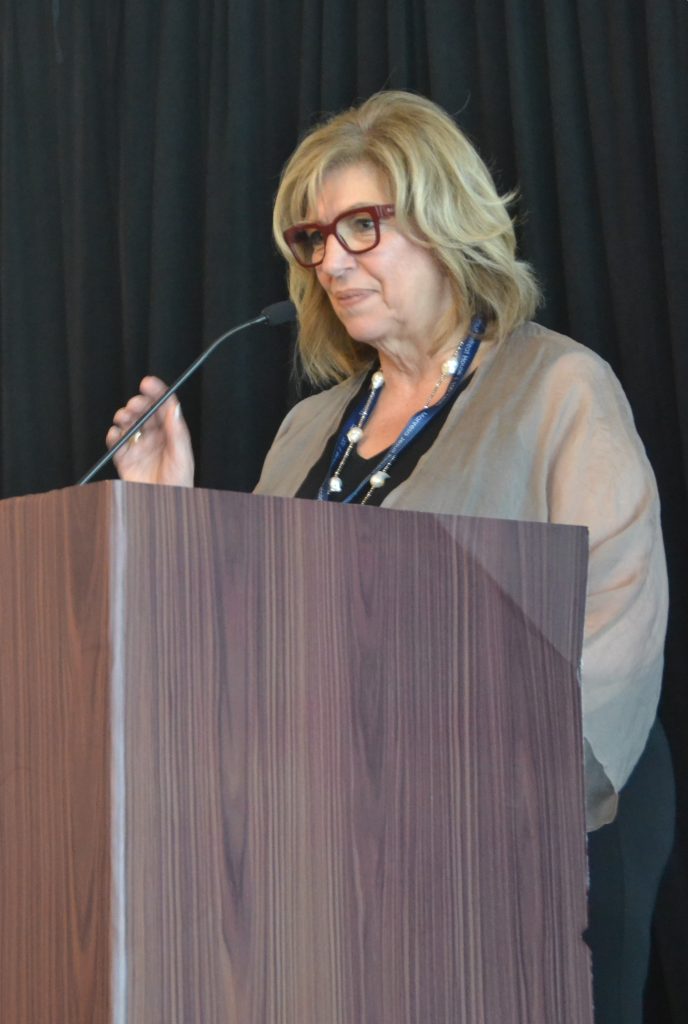
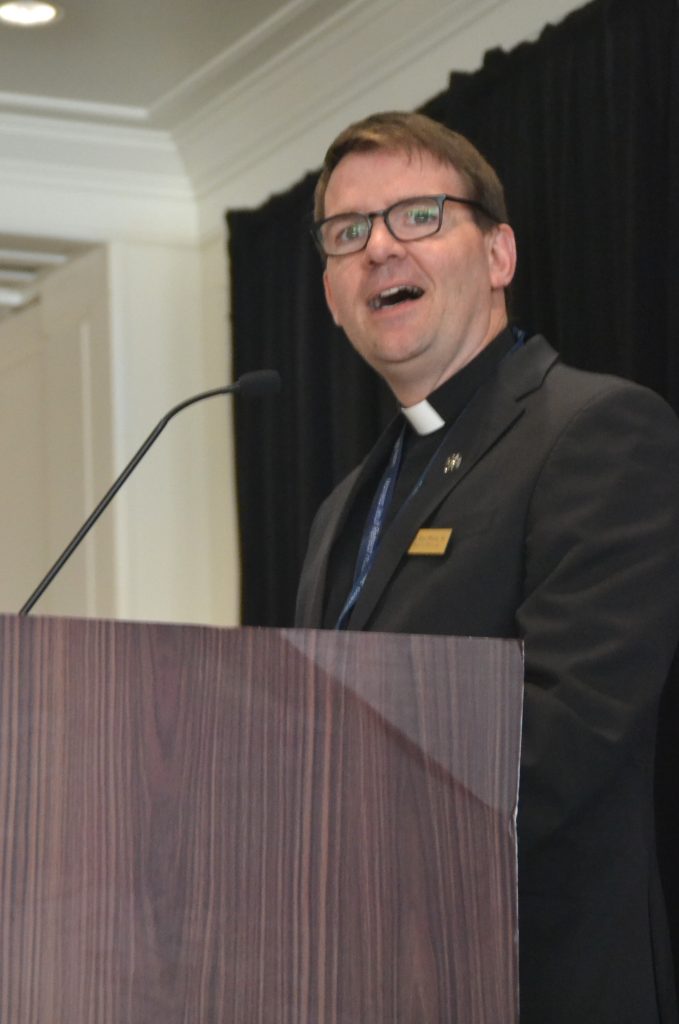
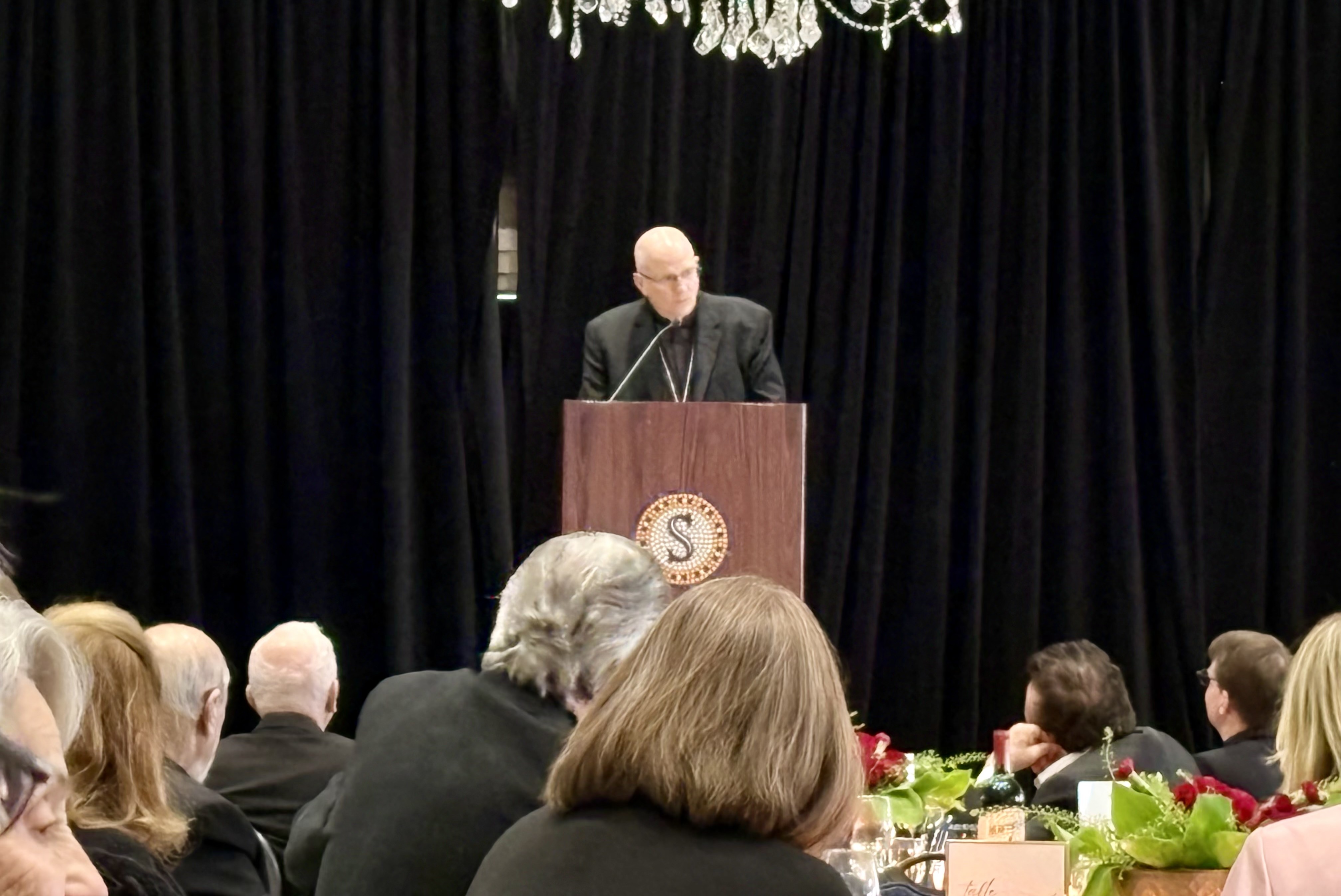
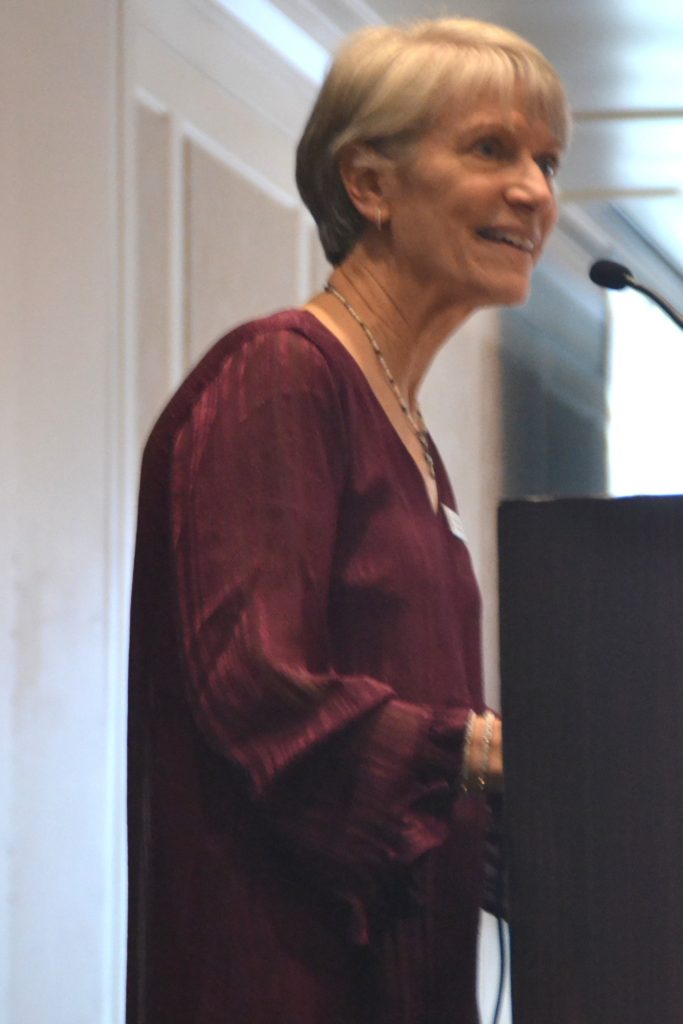
Fr. Dan Dixon, SJ, President Elect, University of Detroit Jesuit High School and Academy, spoke about the many ways Manresa has been an anchor in his life, and Archbishop of Detroit Edward J. Weisenburger inspired us with his message, Building a Future Full of Hope. Guests were also the first to see our latest promotional video (below), A Fire That Kindles Other Fires, produced by Canton-based Highway Media.
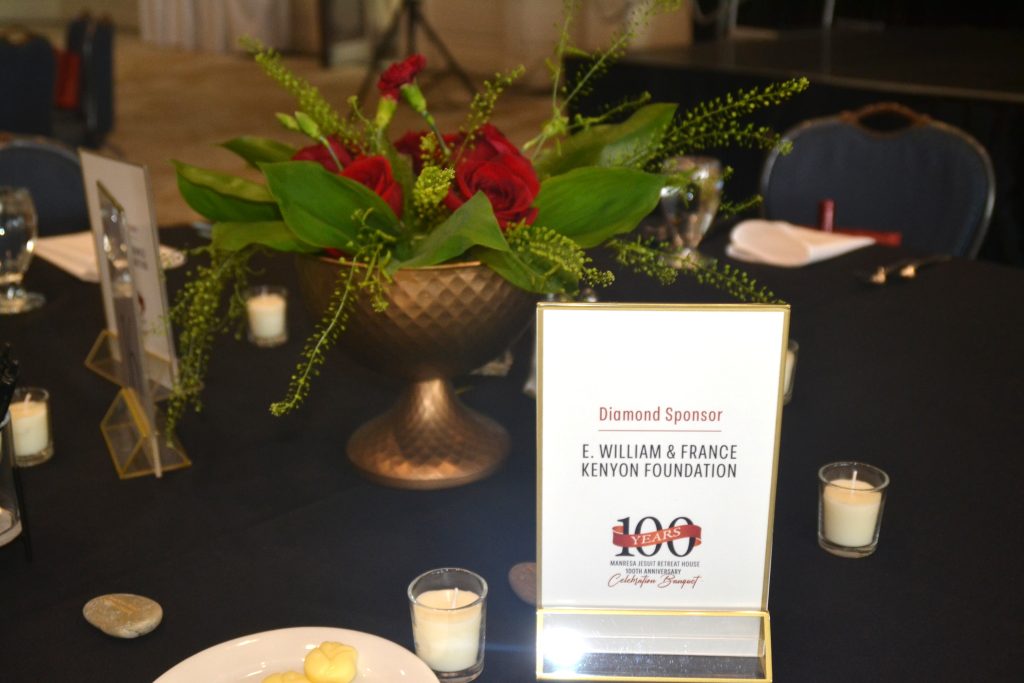
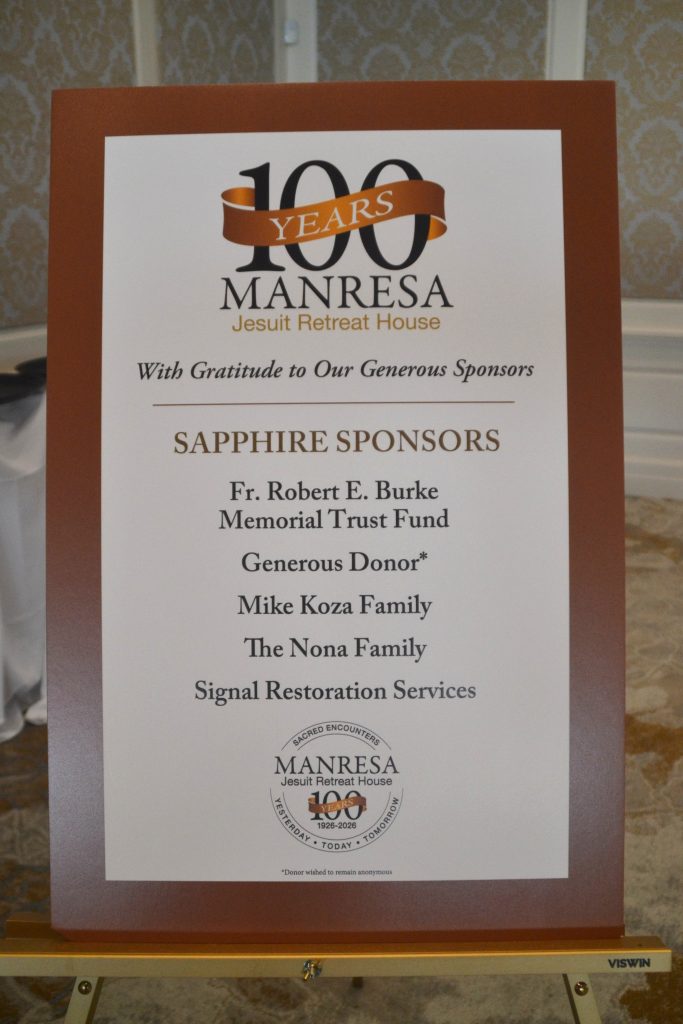
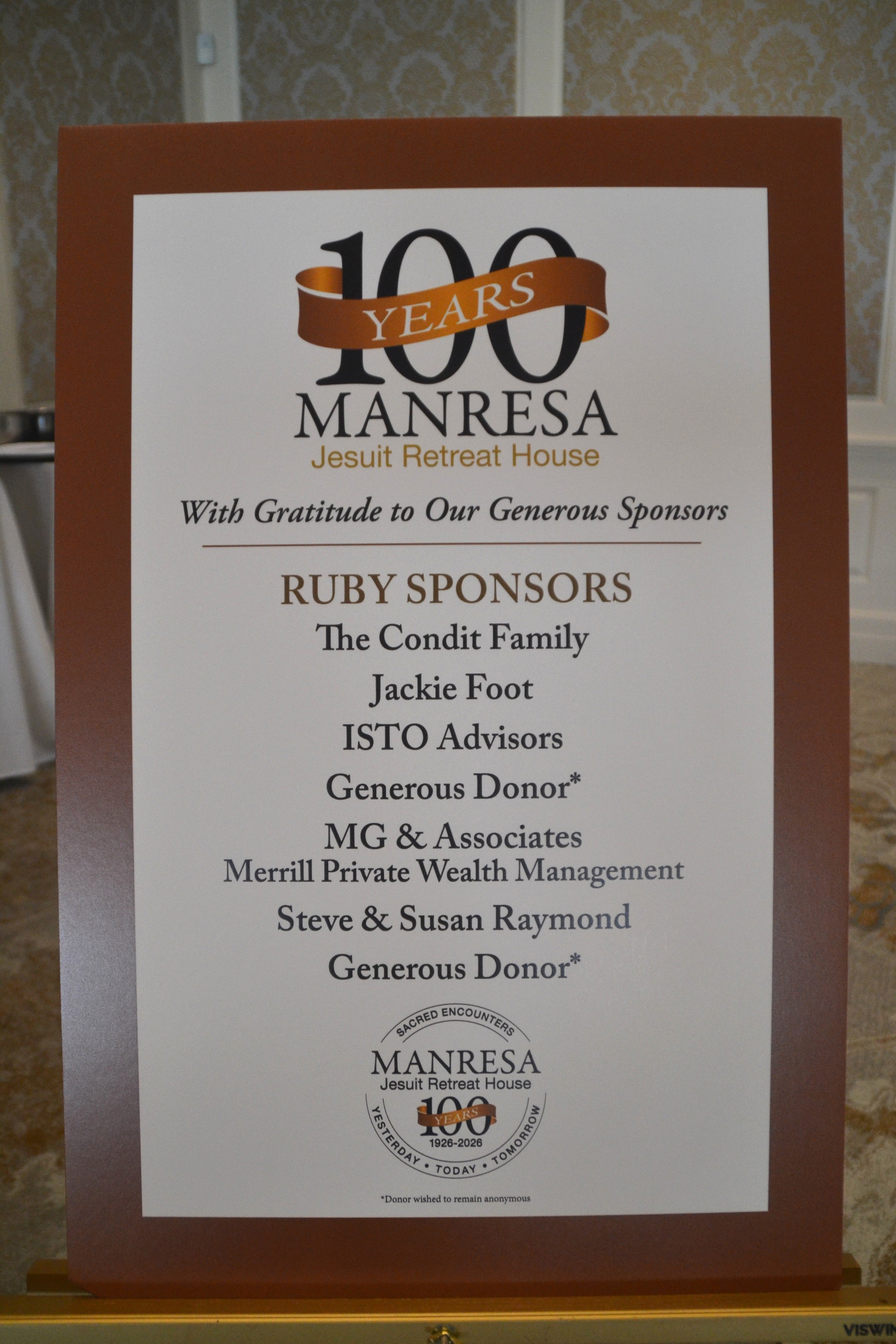
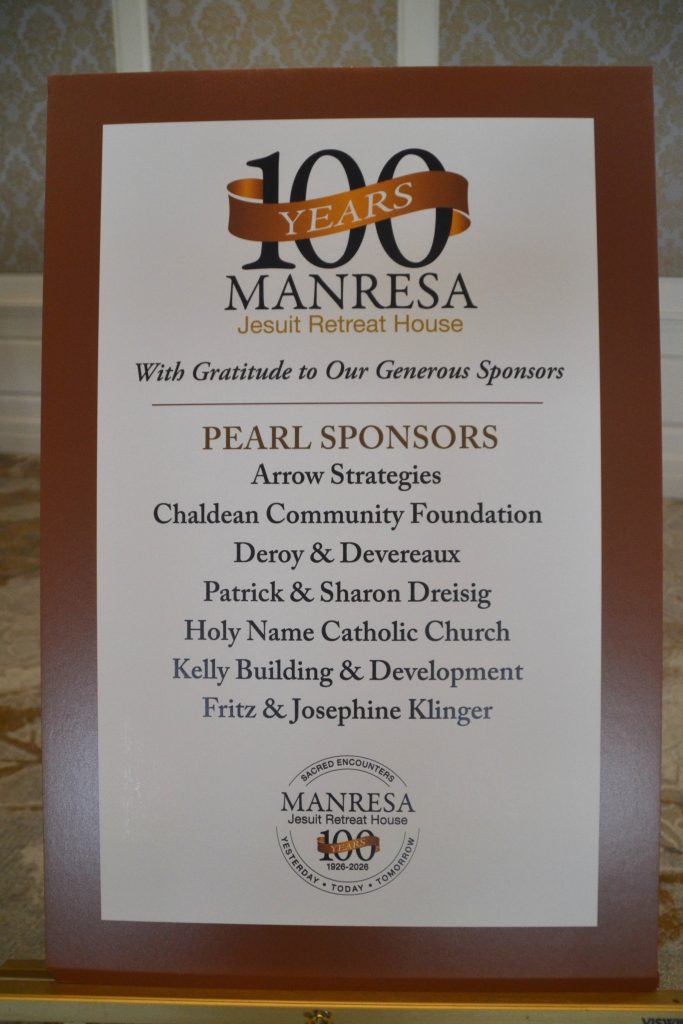
Thanks to our very generous sponsors, we had raised $376,000 before the banquet. They include Presenting Sponsor: E. William & France Kenyon Foundation; Sapphire Sponsors: The Nona Family, The Mike Koza Family, Fr. Robert E. Burke Memorial Trust Fund, Signal Restoration Services; Ruby Sponsors: Steve & Susan Raymond, ISTO Advisors, The Condit Family, Jackie Foot, MG & Associates-Merrill Private Wealth Management, Kelly Building & Development; Pearl Sponsors: Chaldean Community Foundation, Arrow Strategies. Patrick & Sharon Dreisig, Fritz & Josephine Klinger, Deroy & Devereaux, Holy Name Catholic Church; as well several generous donors who chose to remain anonymous.
And thanks to our guests that evening, we raised another $29,150, exceeding our goal of $400,000. All glory be to God!
Our annual banquet is one of our biggest fundraisers, enabling us to meet our operating expenses and to complete necessary maintenance projects and capital improvements throughout the year.
Our sincere thanks to all who make it possible to serve our retreatants and fulfill our Mission to help people grow spiritually through the Ignatian tradition. We also want to thank Paul Seibold and Anne Smith for their photographs of the event, and a special thanks to Chase Creative for their AV management of our program.
If you were unable to join us there, you can still make your Annual Banquet donation at manresa-sj.org/donate or by phoning the front office during business hours at 248.644.4933 Ext. 0.



By Fr. Peter Fennessy, SJ
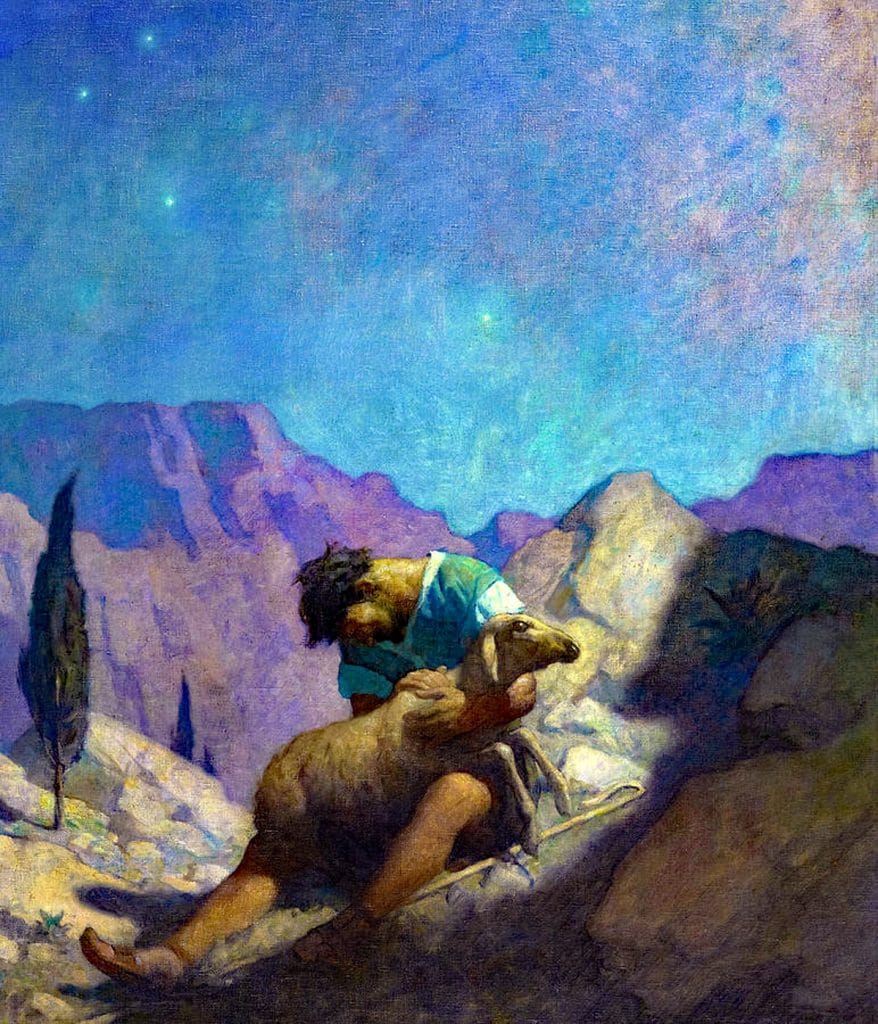
N. C. Wyeth, The Lost Sheep (c. 1926), oil on canvas, 45 × 40 inches, Colby College Museum of Art, Waterville, Maine.
The Pharisees complained so much that Jesus associated and ate with sinners, that He told them the parable of the lost sheep. The terrain is rugged and barren. There are no green pastures or still waters here. The steeply descending treetops hint at the precipitousness of the land.
God, the kings of Israel and the Pharaohs all adopted the title Shepherd since like shepherds they protected, guided, loved and cared for those entrusted to them. Shepherds knew their sheep well enough to notice if even one was missing out of a hundred. But Pharisees despised shepherds as unclean. They must have resented Jesus for beginning this parable, “What man of you…,” as if any of them would ever debase and defile himself by shepherding sheep. But Jesus said that He and heaven rejoiced over a recovered sinner as a shepherd would over a recovered lost sheep. Notice the love and relief of this shepherd tenderly embracing his wayward sheep.
If the three stars in the sky are the Summer Triangle, then morning is breaking, and the light and shadows are from the rising sun; the artist may have believed that the search for the sheep took place mostly at night.
By Fr. Peter Fennessy, SJ
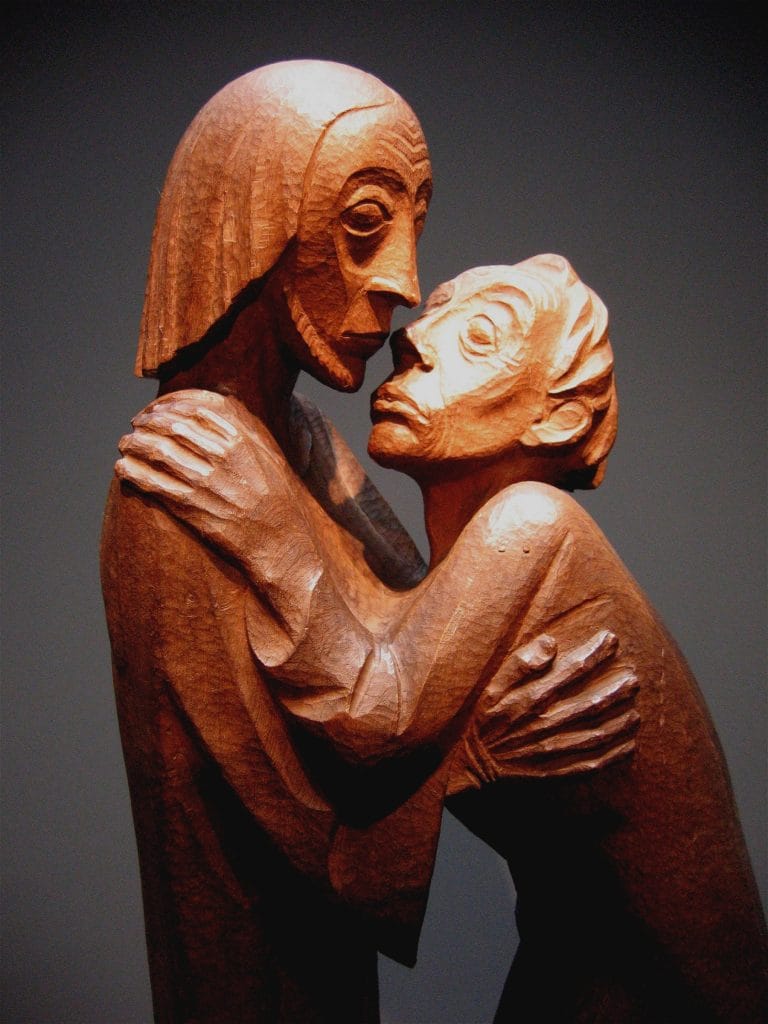
Ernst Barlach, The Reunion (1926), sapeli mahogany sculpture, 35.4 × 15 × 9.8 inches, Ernst Barlach House.
(Photo credit: Rufus46, Wikimedia Commons)
Thomas wasn’t with the other disciples when Jesus appeared to them Easter Sunday evening. He declared he wouldn’t believe Jesus was risen unless he put his finger into the wounds in His hands and his hand into the wounds in His side. Today’s Gospel (John 20:19-31) relates how Jesus appeared a week later and offered Thomas the opportunity to do just that. Paintings of this event are usually entitled “The Incredulity of Thomas” and focus of the probing of the wounds. Barlach’s sculpture, “The Reunion,” focuses instead on the essence of these appearances—relationship and reunion.
Jesus stands straight, strong, tall; Thomas bends over, faltering. They embrace tenderly and are reconciled; the bond between them is renewed and strengthened. Jesus holds and supports Thomas and offers him understanding, compassion, acceptance, forgiveness, love. He accepts even the unreasonable demands Thomas has made. Thomas leans on Jesus with sorrow, repentance, relief, joy and love. He no longer needs to probe the wounds; the presence and embrace of Jesus is enough. “The Reunion” means more than this one encounter. It alludes to the emotions that create, destroy and reestablish all human relationships. It invites us to examine the relationships in our own lives.
By Fr. Peter Fennessy, SJ
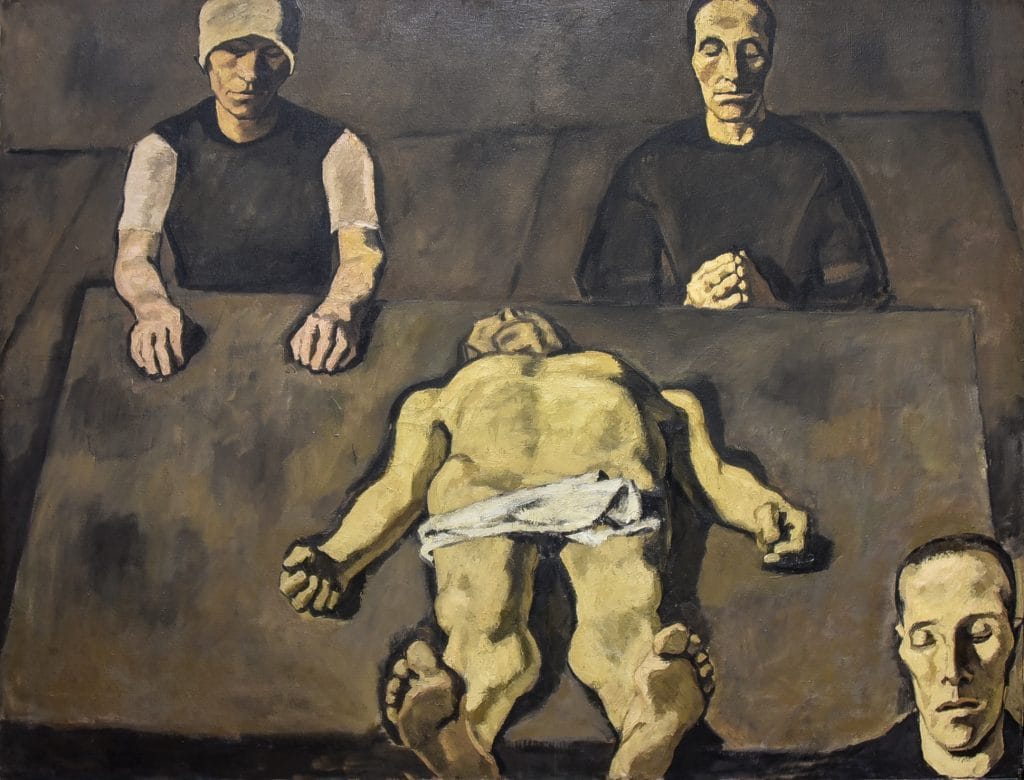
Albin Egger-Lienz, Pietà (1926), oil on canvas, 68.1 × 90.9 inches, The Leopold Museum, Vienna, Austria.
Its orientation recalls Mantegna’s “Lamentation of Christ.” Egger-Lienz’s mourners are less distraught than Mantegna’s, but they’re well acquainted with grief, and their mourning is the more moving for being solemn and silent. This woundless body might represent any death in the peasant community; these mourners might stand for all who mourn. The empty place in the lower left invites us to enter the scene as a fourth mourner.
Egger-Lienz’s “The Dead Christ” (1926) is an almost exact copy of this painting without the mourners, as if He were lying in the tomb. “Pietà” focuses on sorrow; “The Dead Christ” focuses on the silence of the tomb.
On Holy Saturday we grieve with Mary and the disciples, or we rest with Christ and so may say with Paul Claudel, “With you I have descended into the tomb, and have lain there without motion, and the confines of your tomb have become the confines of my universe.”
Manresa Matters is our bi-annual magazine focusing on spiritual themes. Published in April and October, each issue includes theme-related articles and reflections, Manresa community news and upcoming retreats. Subscribe to our mailing list here.
READ THIS ISSUE